
 BIP
BIP
They combined creativity with technology. The CASSINI Hackathon in Wroclaw

This is a tremendous honor for our city. Throughout the weekend (April 24–26), the prestigious international event—the CASSINI Hackathon—took place at the Wrocław University of Technology. Wrocław became a hub for innovation that has the potential to tangibly change the lives of its residents.
Creativity, free space data, and an understanding of the city’s real challenges—these were the assets utilized by participants in the 11th edition of the prestigious CASSINI Hackathon, which began on Friday (April 24) at the Wrocław University of Technology.
I believe in such ideas. I know that these young people, who have come here from various countries and are competing on a global scale in Europe, will use space technologies to create new, unique solutions related to our water management.
Jakub Mazur, Vice Mayor of Wrocław
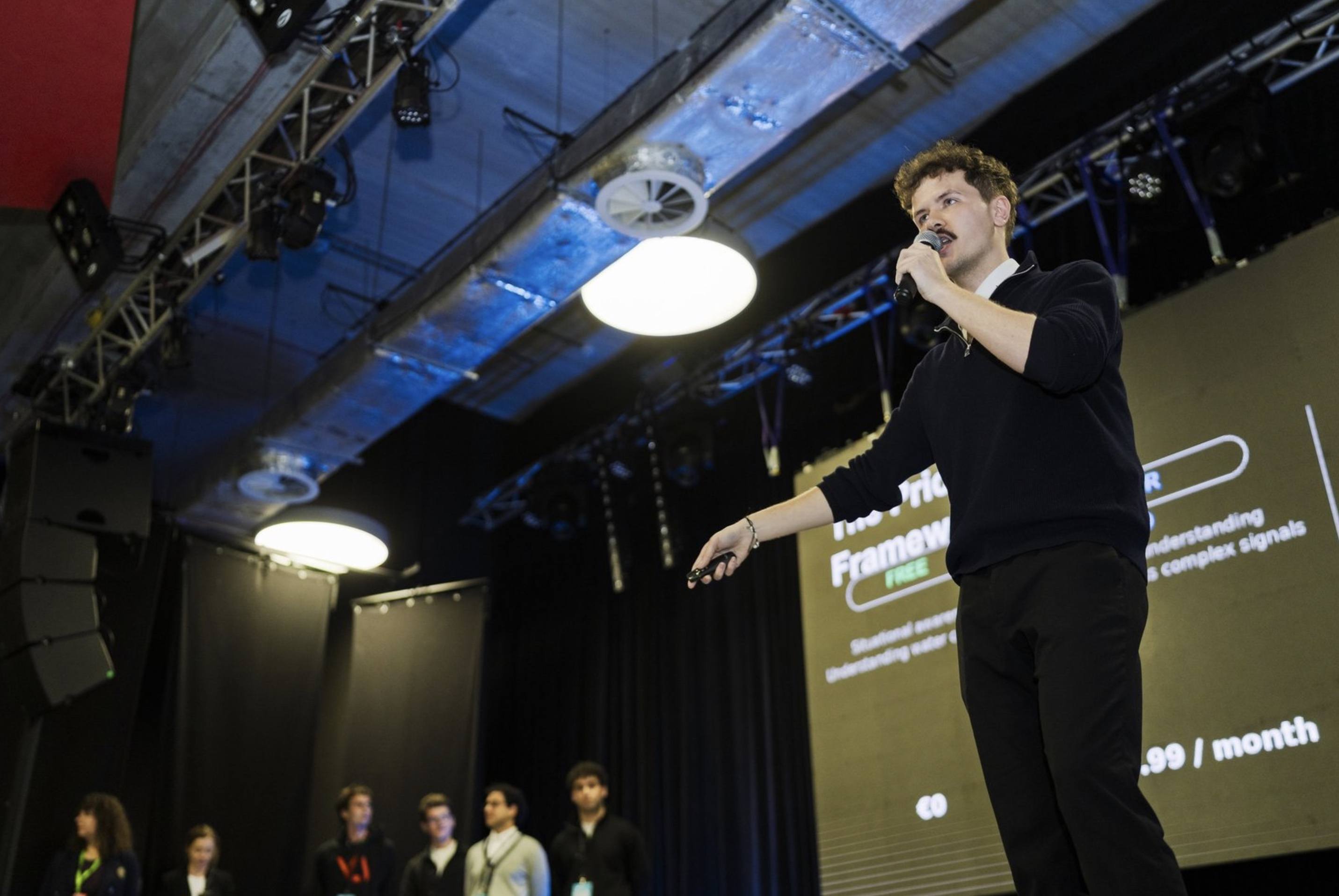
– Wrocław showed tremendous commitment. The hackathon’s theme was highly specialized: space technologies and water. Despite this, over 200 people signed up, and nearly 110 worked all weekend on solutions that were later presented on stage — says Tomasz Florczak, CEO of ChallengeRocket, the event’s co-organizer.
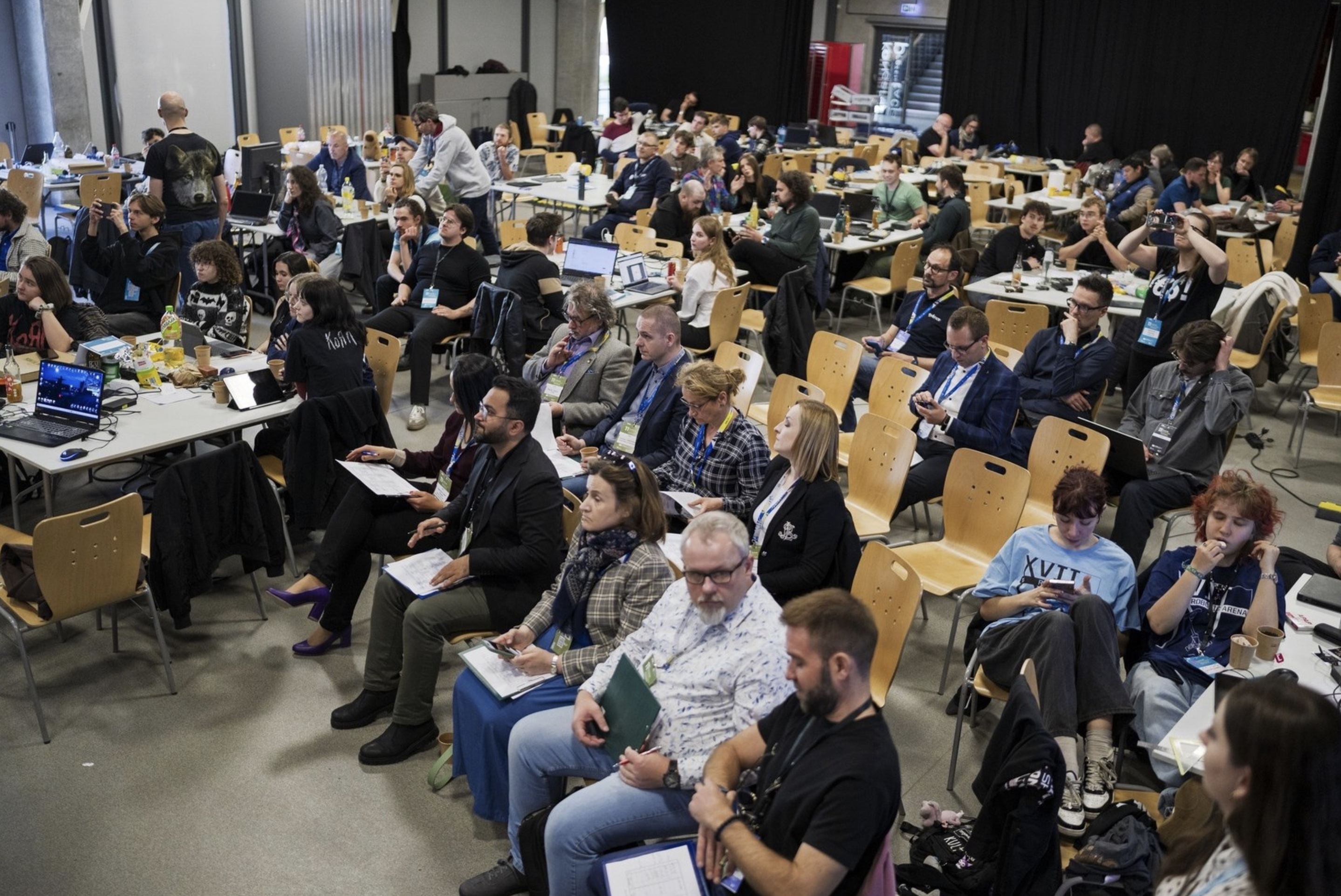
This year’s theme was “Space for Water” and focused on the use of European space technologies to protect, manage, and ensure the safety of water resources.
A tremendous honor for Wrocław
Wrocław joined the elite group of 10 European cities where the 11th edition of the CASSINI Hackathons took place simultaneously—an event organized at the initiative of the European Commission under the auspices of the European Union Agency for the Space Program (EUSPA) and the European Space Agency (ESA).
The CASSINI Hackathon is an example of how effectively we combine international initiatives with local potential. Wrocław and the entire Lower Silesia region demonstrate that they are ready for the development of space technologies, cooperation with the ESA, and the creation of innovations that have real-world applications in cities and regions across Europe.
Dr. Magdalena Okulowska, President of the Board of the Wrocław Agglomeration Development Agency
CASSINI Hackathons are not only a programming competition but also an international initiative that combines satellite technologies with the real challenges of the modern world.
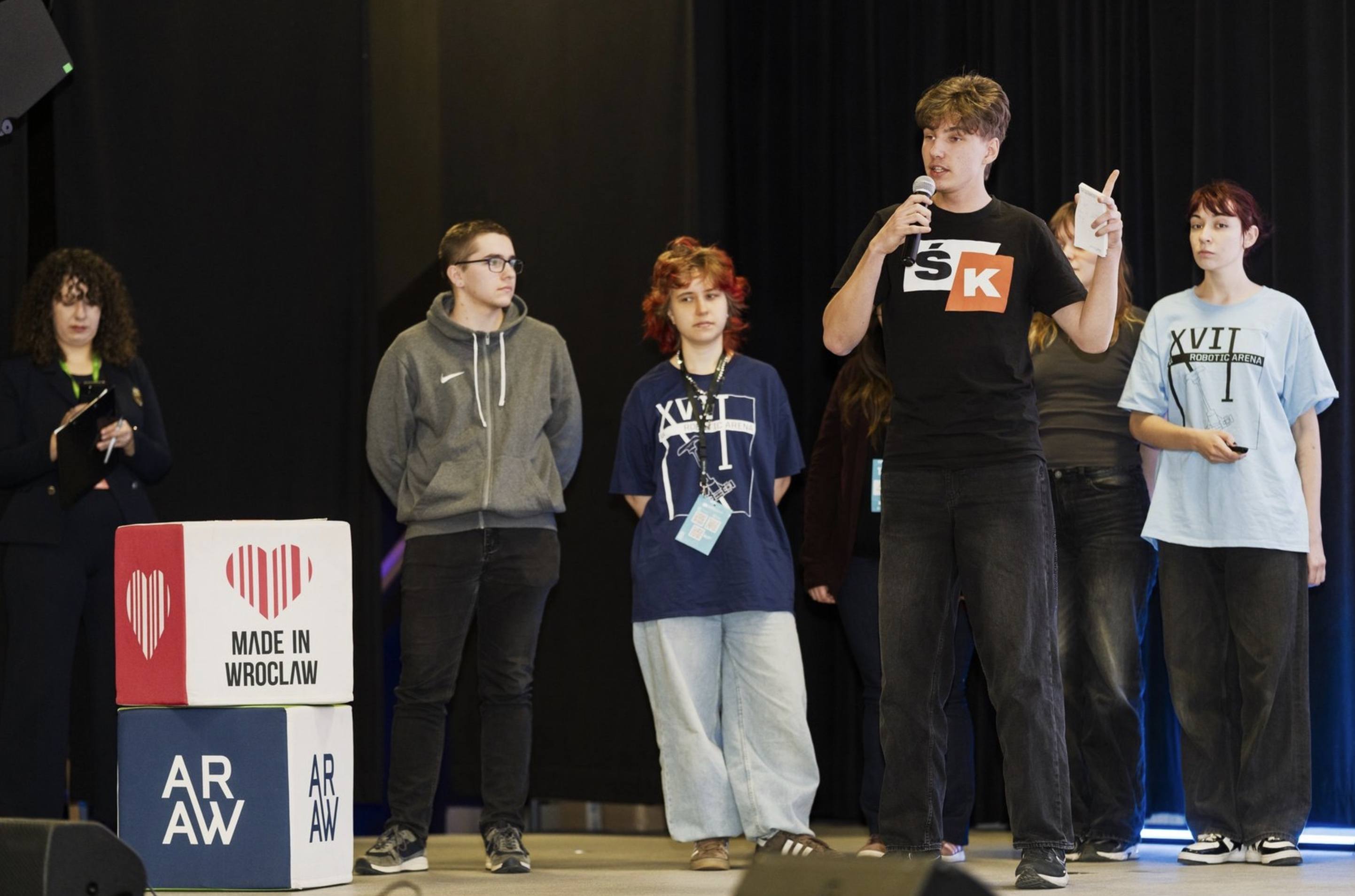
Space technologies – new, unique solutions
Hackathon participants tackled real-world challenges prepared by, among others, MPWiK in Wrocław, working with satellite data from the Copernicus, Galileo, and EGNOS programs. Projects included leak detection, smart stormwater management, and monitoring the quality and safety of water resources.
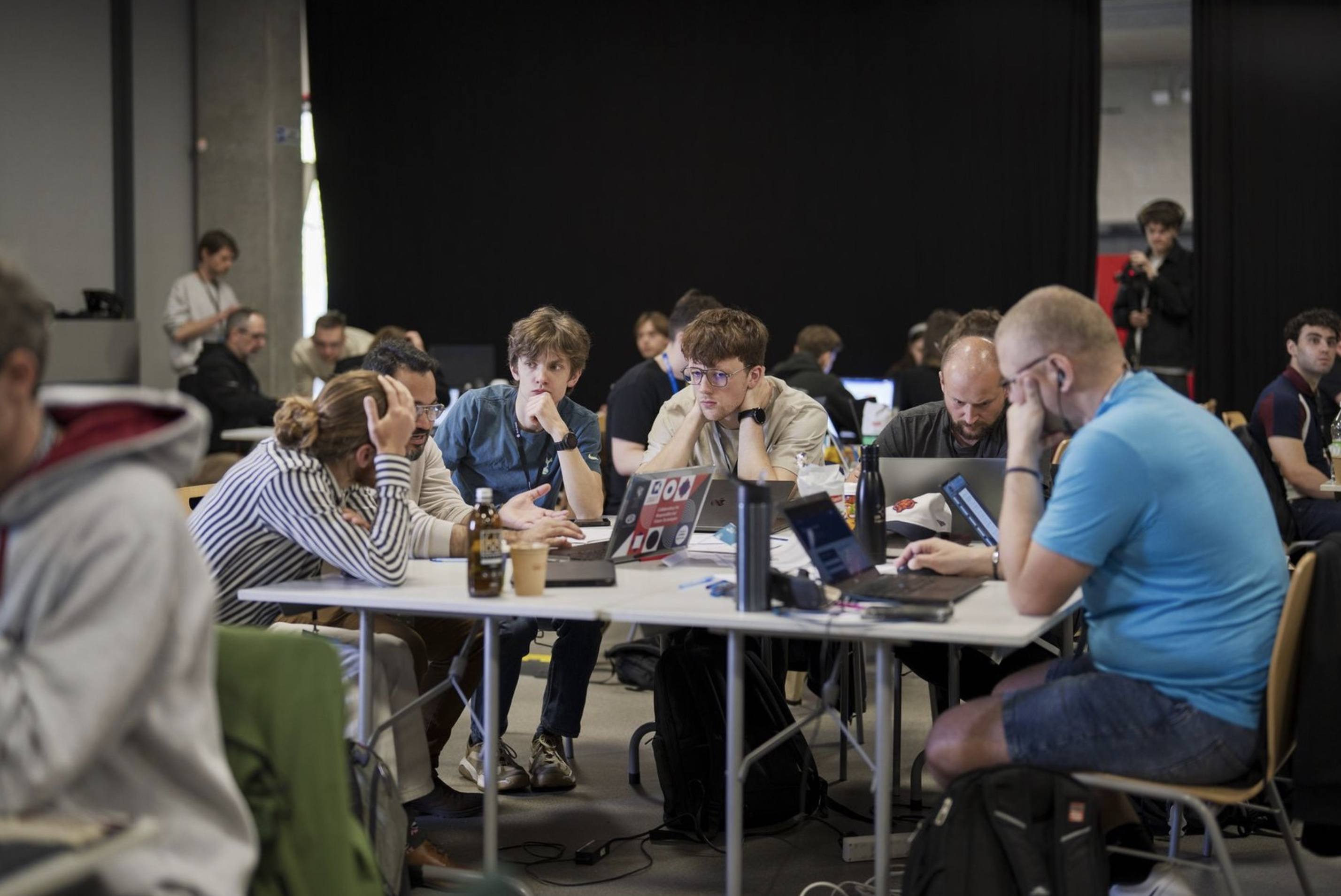
Thanks to access to unique municipal data and satellite imagery, teams were able to work on solutions in three key areas:
- Detecting failures and leaks from space: analyzing satellite data to identify changes in soil moisture that may signal potential water supply network failures or pipe breaks before they become visible on the surface.
- Smart retention and urban planning: using satellite-based soil permeability assessments in combination with hydrogeological models to more effectively design rainwater harvesting systems and manage stormwater in the city.
- Quality and safety monitoring: early warning systems that detect threats to water intakes—from algal blooms (high turbidity) to flood risks or low water levels caused by hydrological drought.
CASSINI Hackathon – Teams and Results
– It was interesting to see the combination of youth and experience within the teams, as well as the diverse educational backgrounds and career paths of their members. This translated into a wide range of problems they tackled and the various approaches they adopted. - Dr. Yash Chawla, CRAFT Director at Wrocław University of Science and Technology, one of the judges.
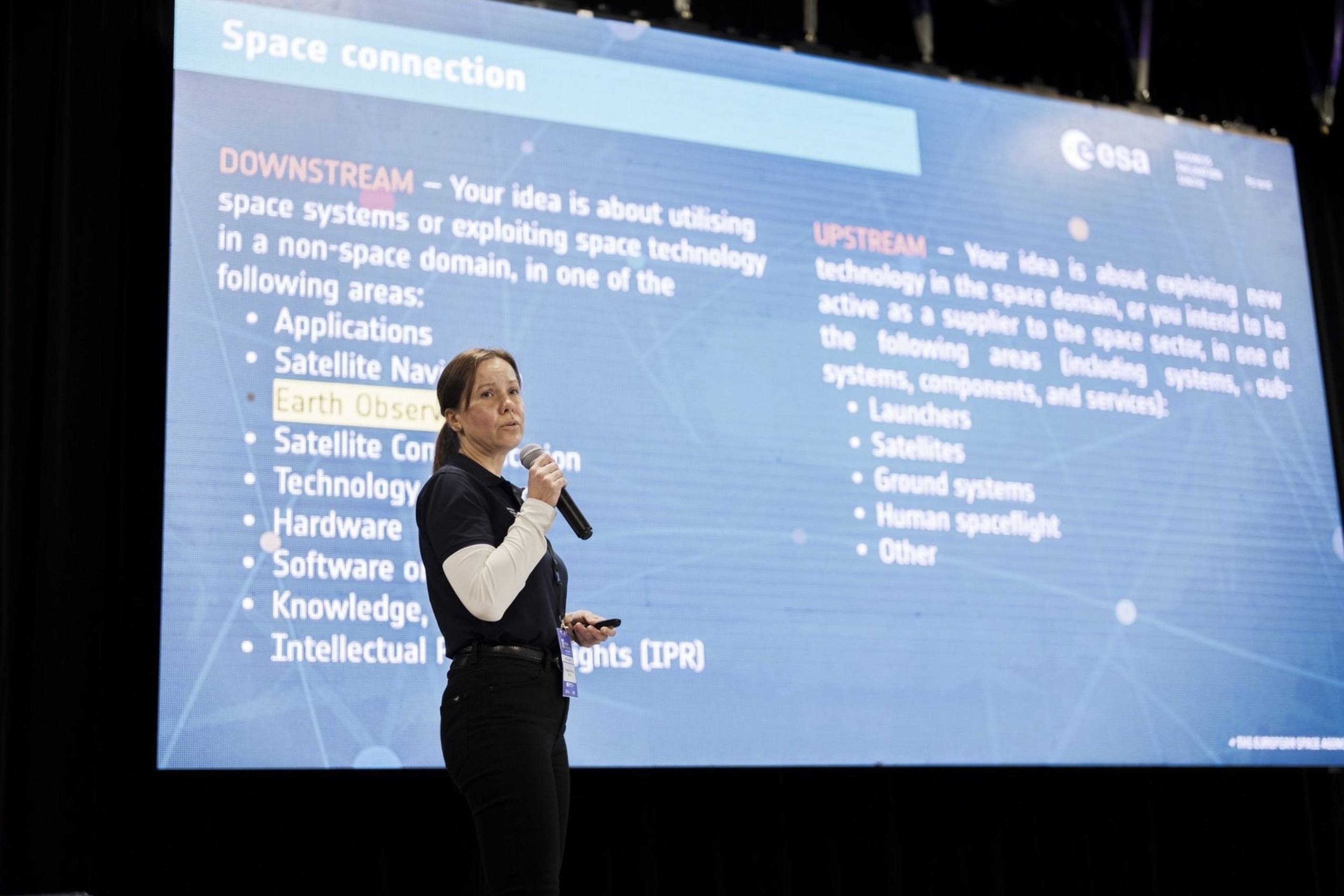
And here are the winners of this year’s edition:
1st place: ViadrusAI
The team won 3,000 PLN in cash, 5,000 PLN in vouchers for computer equipment from Exence, and participation in Made in Wroclaw (October 27–28) and the Evolutions Partner Network Festival (May 27–28), as well as in the European finals.
Surprise above all, but also pride and a sense of responsibility for the solutions we developed. This is a program for predicting water main failures based on data from MPWiK Wrocław. But we’re open to other cities as well. Our team was formed specifically for the hackathon. And we won
says Michał Krupka, Product Owner, about the win.
109 participants in the Cassini hackathon under the auspices of ESA and EUSPA in Wrocław. 19 teams that, over two days, did incredibly hard but inspiring and outstanding work, coming up with truly interesting solutions. The jury had a very difficult task, but managed to select three fantastic projects. For us, this is not just an opportunity to send the winning team to the grand finale. For us, this is not just a team-building event. For us, this is a celebration of innovation, a celebration of the mind, a celebration of creativity, and this is certainly not our last word on space-themed competitions in Wrocław.
Magdalena Okulowska, President of the Board of ARAW
- There were a total of 212 registrations from all over Poland and even from abroad. Wrocław was the leader from the very beginning in terms of interest in the event—we finished in the top 3!
- The 11th edition was the largest of all editions to date
- We ultimately invited 109 people to participate, who formed 19 teams
- The teams worked for 46 hours
- We had 30 experts
- The projects were evaluated by 9 jurors
- The event was supported by 31 partners and sponsors
Event organizers and partners
The organizers of the Polish edition of CASSINI Hackathons are the Wrocław Agglomeration Development Agency, led by the Startup Wroclaw project, and the Wrocław-based company ChallengeRocket.
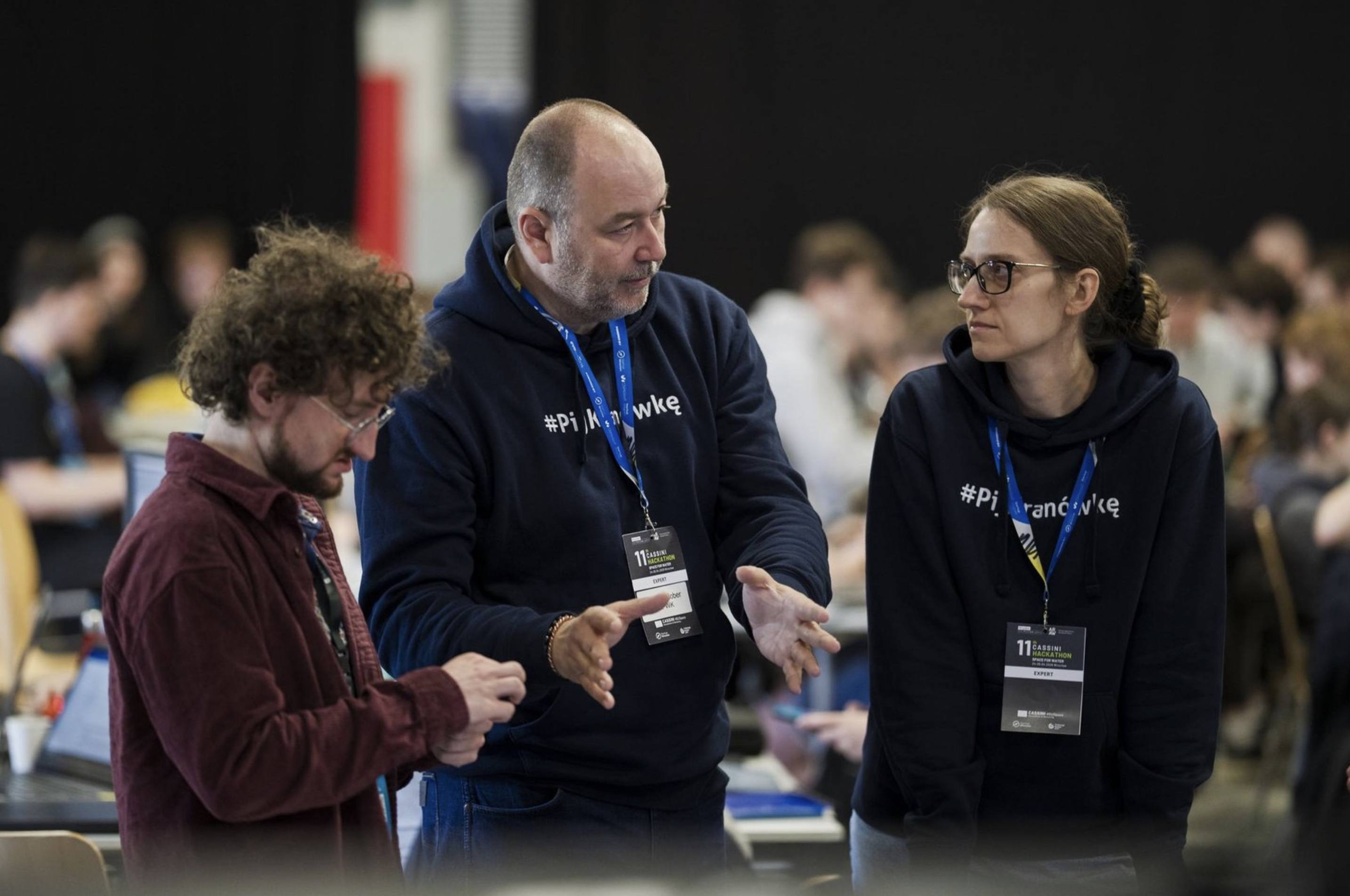
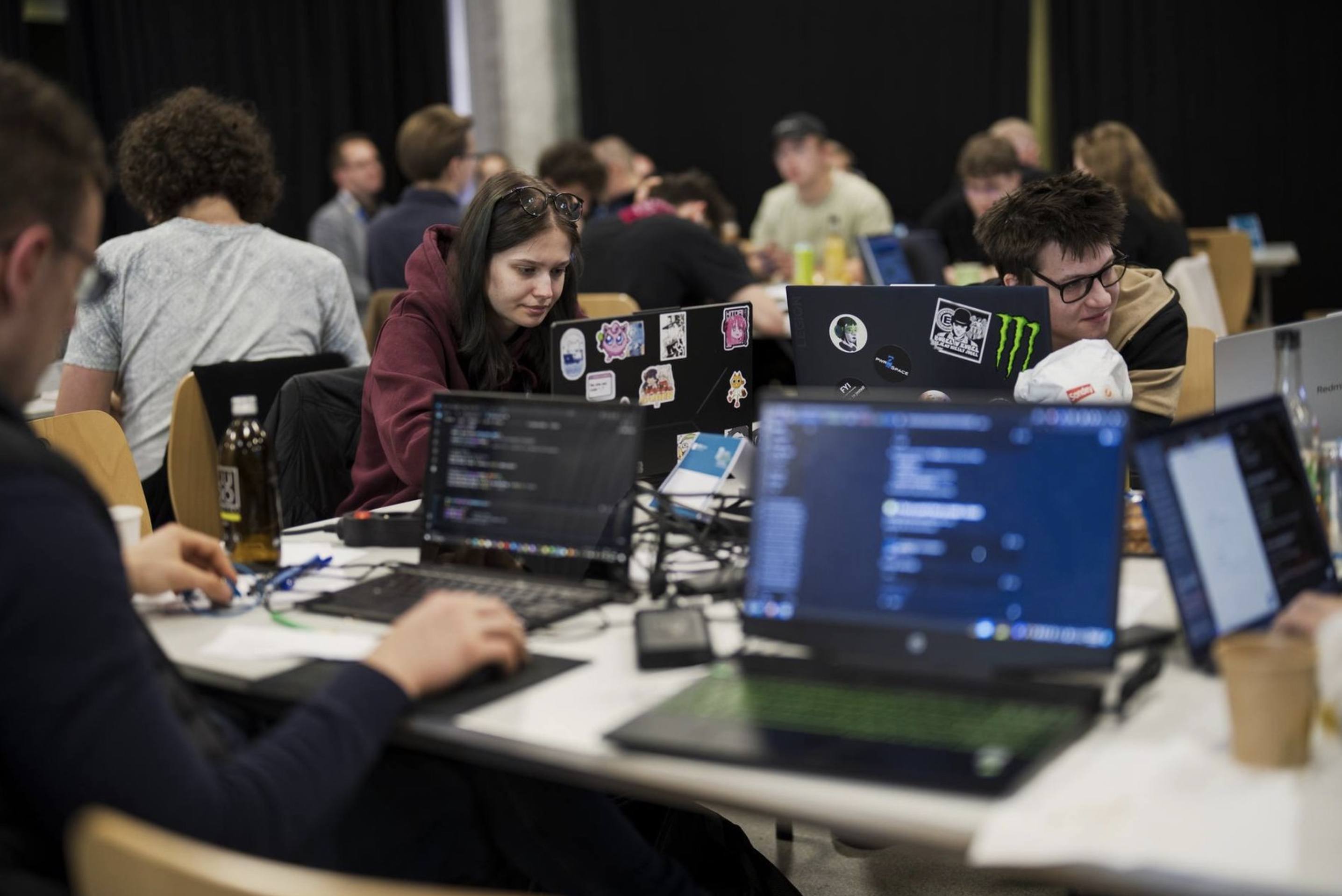
The event’s content and technology partners included, among others:
- Municipal Water and Sewerage Company (MPWiK) together with Hydropolis and the #PijKraówkę project,
- Smart City Wrocław,
- the Department of Strategy and Sustainable Development of the City of Wrocław,
- Wrocław University of Technology together with the Academic Business Incubator (AIP),
- Wrocław University of Environmental and Life Sciences,
- Wrocław University of Economics together with inQUBE, the University Business Incubator,
- the CRAFT (Collaboratory for Responsible and Future Technologies) laboratory operating at the Faculty of Management of Wrocław University of Technology,
- tryVinci,
- John the Drone,
- Kiszone Specjały,
- the PWr in Space research club,
- CUDO Kombucha,
- the SCORPIO research club,
- Exence,
- Scanway,
- TerraEye,
- Gekko Photonics,
- Quantum Connect,
- Pyszne.pl,
- Mirores.