
 BIP
BIP
Economic Forum in Karpacz. Wroclaw put its very best front forward

On Tuesday, September 8, representatives of the authorities of Lower Silesia, Wrocław, and Karpacz inaugurated the 35th Economic Forum in Karpacz. It was the largest and most important socio-economic conference in Central Europe, serving for over three decades as a key platform for dialogue between politics, business, academia, and culture. During the opening ceremony, it was also announced that the Economic Forum will continue to be held in Karpacz, Lower Silesia, for the next five years.
This year’s edition of the Forum, which ran from September 8 to 10, was held under the theme “The Architecture of a New Order—Stability in Times of Change.” This theme reflected the scale of the challenges facing Europe and the world at that time. In the face of mounting geopolitical tensions—the war in Ukraine, conflicts in the Middle East, and the shifting balance of power on the international stage—countries and international organizations sought new mechanisms to ensure security, resilience, and stable development.
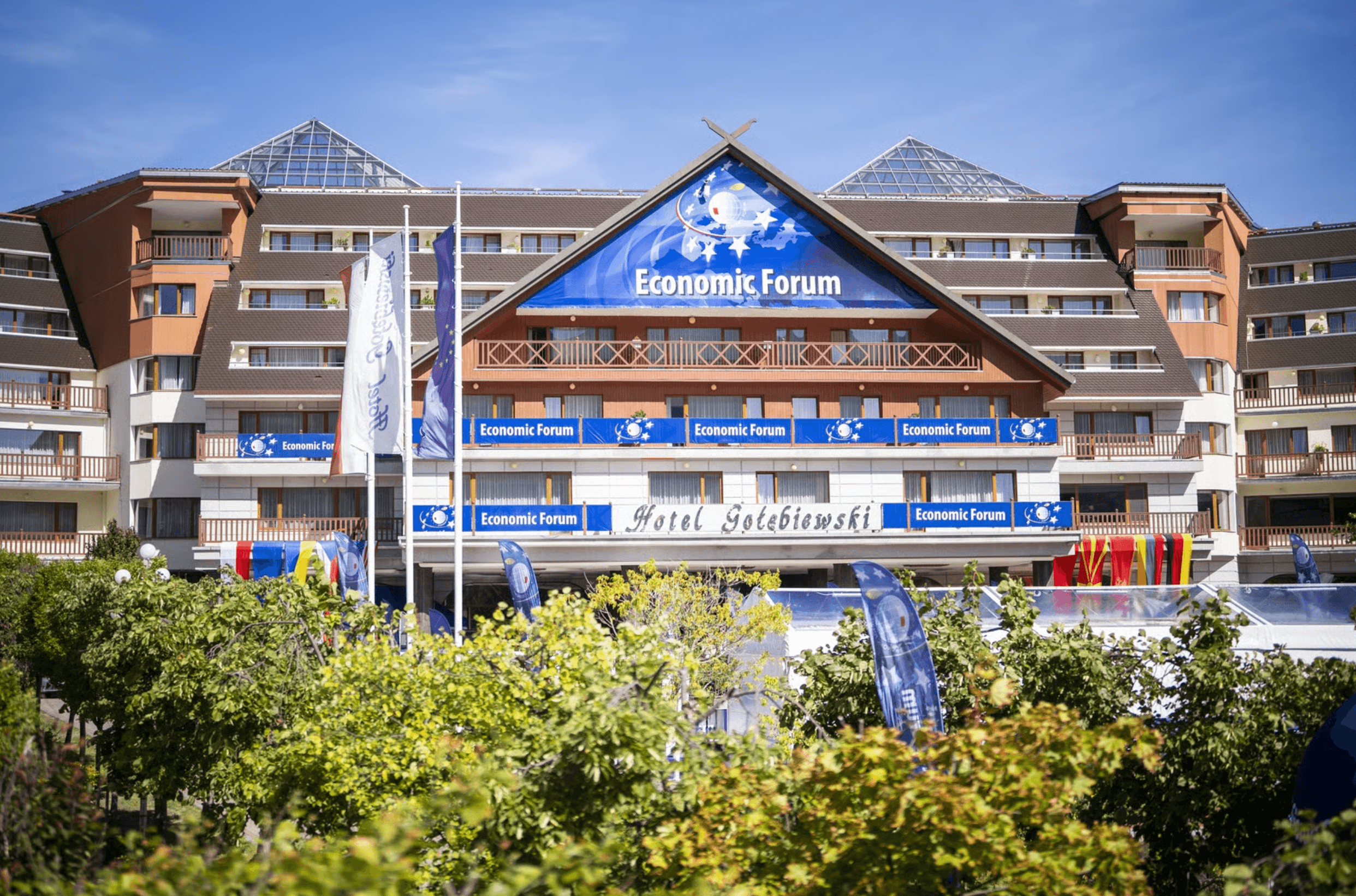
A Unique Event for Poland
The motto of this year’s edition set the main thematic focus of the Forum, around which events were organized in eight leading program areas, including:
- AI Forum,
- Cybersecurity Forum,
- Healthcare Forum,
- Regions Forum,
- Economy,
- International Politics and Security,
- Society,
- Sustainable Development.
For three days, Karpacz and Lower Silesia were the economic heart of Poland. 6,000 participants, 500 media representatives from Poland, abroad, and across Europe, 1,200 local government officials, 900 members of foreign delegations, 150 universities, and 500 scientists and representatives of the scientific community. “Today we are launching the Economic Forum in Karpacz. On the one hand, this confirms our active role, as it marks yet another record; on the other hand, it confirms the continuation of this exceptional event for Poland, for this part of Europe, and for Lower Silesia,” said Paweł Gancarz, Marshal of Lower Silesia, at the opening of the 35th Economic Forum.
The marshal thanked the main organizers: the Institute for Eastern Studies and the cities of Wrocław and Karpacz, as well as many other entities and institutions involved in organizing the event.
Wrocław passed on the title of “City of Meetings” to Karpacz
This year’s Forum was exceptional because, in addition to 500 panels and meetings, a number of new initiatives took place, including—for the first time—the International Polish-Czech Forum and the Polish-Chinese Forum.
“Since this congress has a local government focus, I’d like to begin by emphasizing this point. Because local government isn’t afraid of responsibility. Local government simply needs the necessary expertise, a legal framework, and funding. And that’s exactly what we want to discuss in Karpacz over the next three days,” said Jakub Mazur, Vice Mayor of Wrocław, during the opening ceremony.
Vice Mayor Mazur expressed hope that participants would leave Karpacz with concrete investment projects and specific regulations.
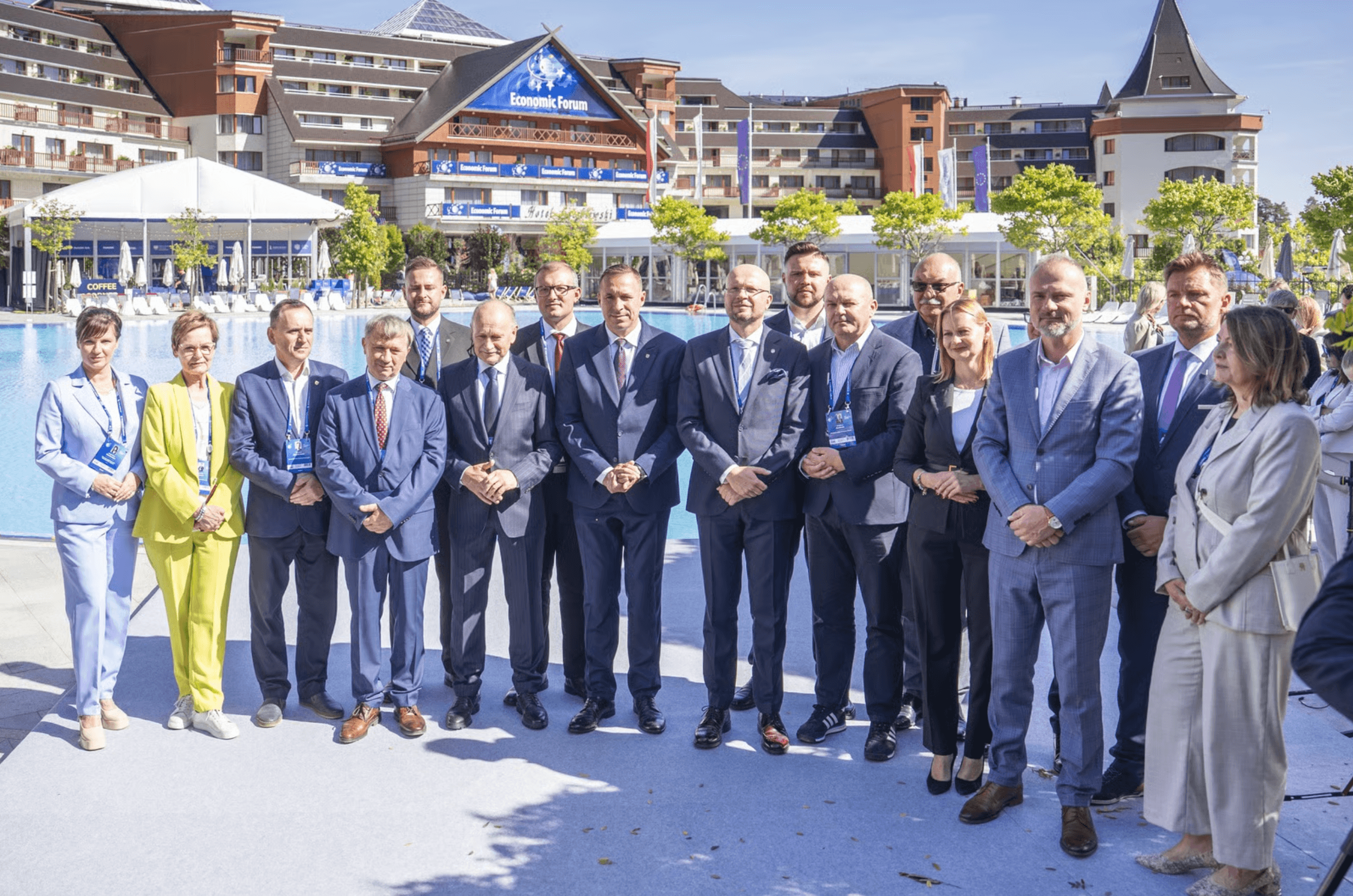
“We’re talking with politicians, businesspeople, and experts about issues that concern us—the development of the city, the metropolitan area, and the region, as well as the future of Central Europe—so that Lower Silesia and Wrocław can serve as a growth engine for Poland and Europe. Because this is a gathering of experts, entrepreneurs, politicians, and those who influence the legislation we so desperately need. It is precisely these challenges—which we tackle as local government officials every day by bringing together all sectors and building platforms—that make Karpacz the center of Poland for the next three days. And Wrocław, as a city of meetings, proudly cedes the title of ‘city of meetings’ for these three days, during which we are creating a new standard,” added Jakub Mazur.
Representatives from Wrocław discussed important issues in numerous panel discussions: development, the future, and ensuring that Lower Silesia, with Wrocław as its capital, serves as a growth engine for all of Poland and for Europe. “We have this ambition, and we are capable of giving it substance. And that is exactly what Karpacz was all about,” concluded Jakub Mazur.
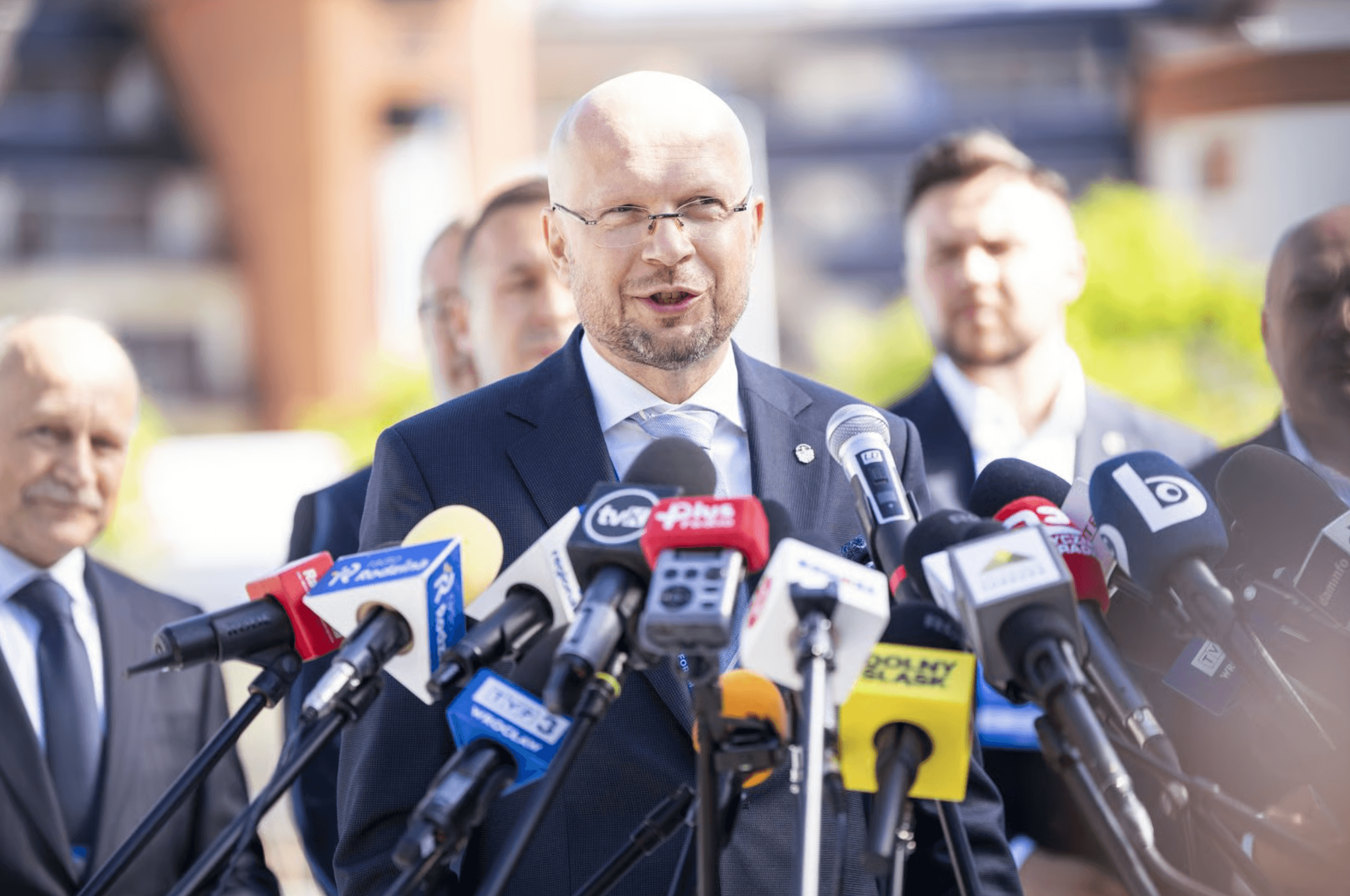
“Both Lower Silesia and Karpacz are special places. Not only because of their population or the scale of their investments. Just like our older brother, Wrocław—a city of encounters—we strive to and want to create this special atmosphere as well. “We want to bring people together, and I am convinced that over the next few days, many people from different backgrounds, with different political views and different experiences, will sit side by side and talk about the future,” added Radosław Jęcek, mayor of Karpacz.
The Forum will remain in Karpacz for the next 5 years
Zygmunt Berdychowski, chairman of the Economic Forum’s Program Council, emphasized during the opening ceremony that thanks to cooperation with the province and the cities of Wrocław and Karpacz, the Forum has once again been organized at the highest level.
“We want to debate here the architecture of a new order in Europe and around the world. We want to discuss what comes after globalization, which has brought so much good but has also revealed its dark sides. At the same time, we would like this to be a venue for debates that also address Poland, the Polish economy, the Polish healthcare system, and social issues. We would like this to be a place where people can talk without partisan biases, without the kind of acrimony that has been so prevalent in public life recently,” said Zygmunt Berdychowski.
On this occasion, Zygmunt Berdychowski announced that for the next five years, the Economic Forum will continue to be held in Karpacz at the same time as it has been so far. “Thanks to this, we will create something truly unique,” Berdychowski noted.
“It’s very good news that for the next five years we’ll be meeting every year in Karpacz to discuss the future of regions, cities, business, and science.” commented Vice President Jakub Mazur.
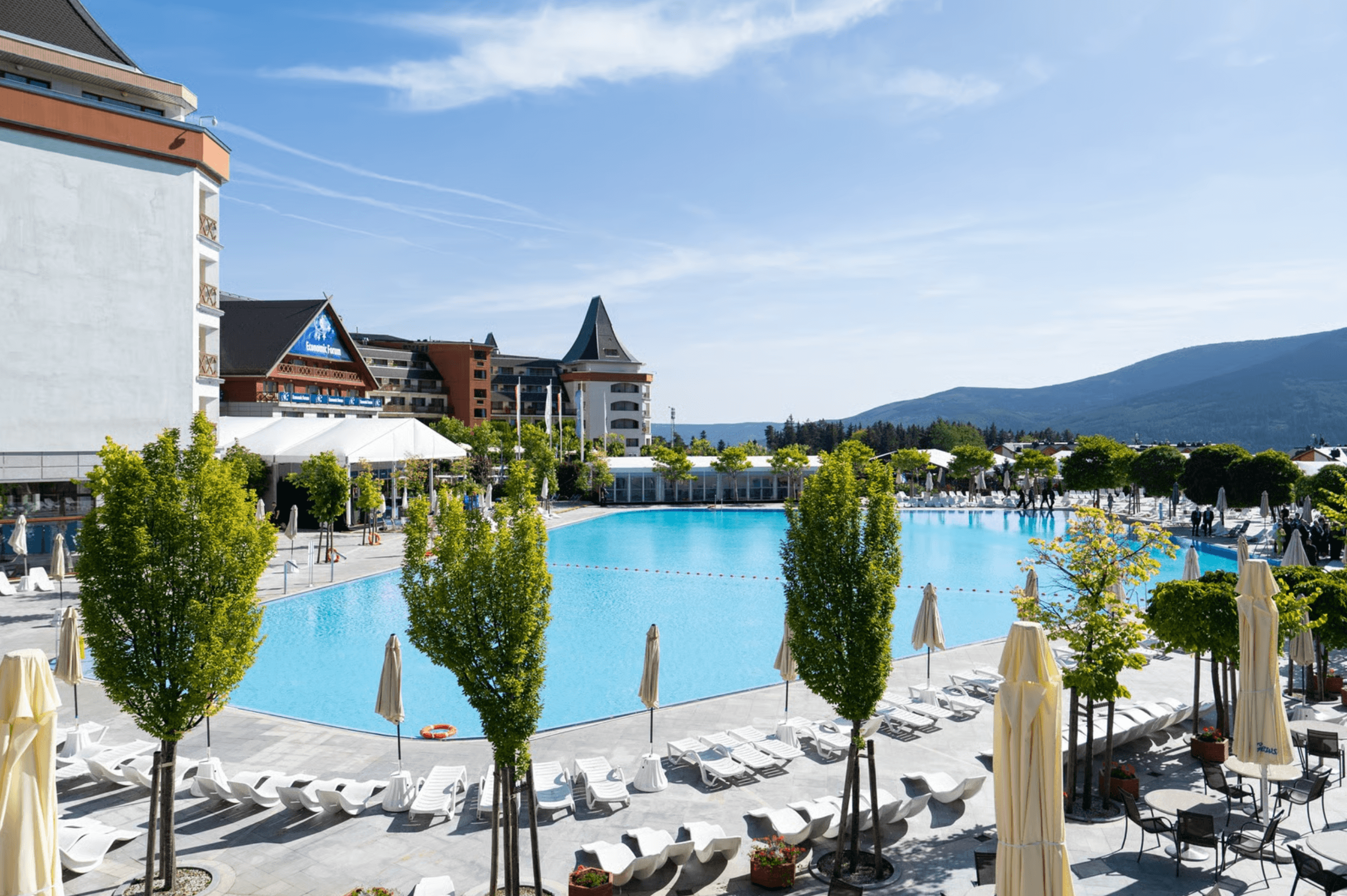
Wrocław at the Economic Forum in Karpacz
The Forum’s program featured many highlights from Wrocław. The city emphasized that safety can—and, above all, should—be learned through hands-on experience. At Wrocław’s booth in the Lower Silesia Zone, participants, together with first responders and program experts, were able to practice life-saving techniques for real-life emergencies. They learned how to properly perform cardiopulmonary resuscitation (CPR), stop severe bleeding, and mastered the basic principles of first aid.
It is worth noting here that since 2025, the city has been consistently developing the “Safe Wrocław” program—an innovative and comprehensive local safety system that combines resident education, modern technologies, the development of safety infrastructure, and close cooperation among institutions responsible for safety. The program is implemented in cooperation with the Police, the State Fire Service, the Polish Army, the Municipal Police, the Government Security Center, the scientific community, and civil society organizations.
Its principles were inspired by solutions used in countries such as Sweden and Switzerland, where preparing the public to respond to crisis situations is one of the cornerstones of the security system.
Nearly 3,000 residents of Wrocław have already been trained through open courses on first aid, crisis response, and evacuation. Another 2,800 students and teachers participated in a program aimed at secondary schools. These efforts are complemented by family safety picnics, the “Safe Wrocław” website, and the “Crisis Guide” prepared in collaboration with experts and the Government Security Center.
Asia Express from Wroclaw
City representatives also participated in the panel discussion “Asia Express: A New Map of Investment, Technology, and Cooperation in Europe—the Lower Silesia Case Study.” It was a dynamic discussion on how the influx of Asian investors is redefining European industry and the high-tech sector. The region, which serves as a key hub for industrial corporations from Asia, has become a destination for future-oriented technologies, and its local potential creates synergies with global strategies.
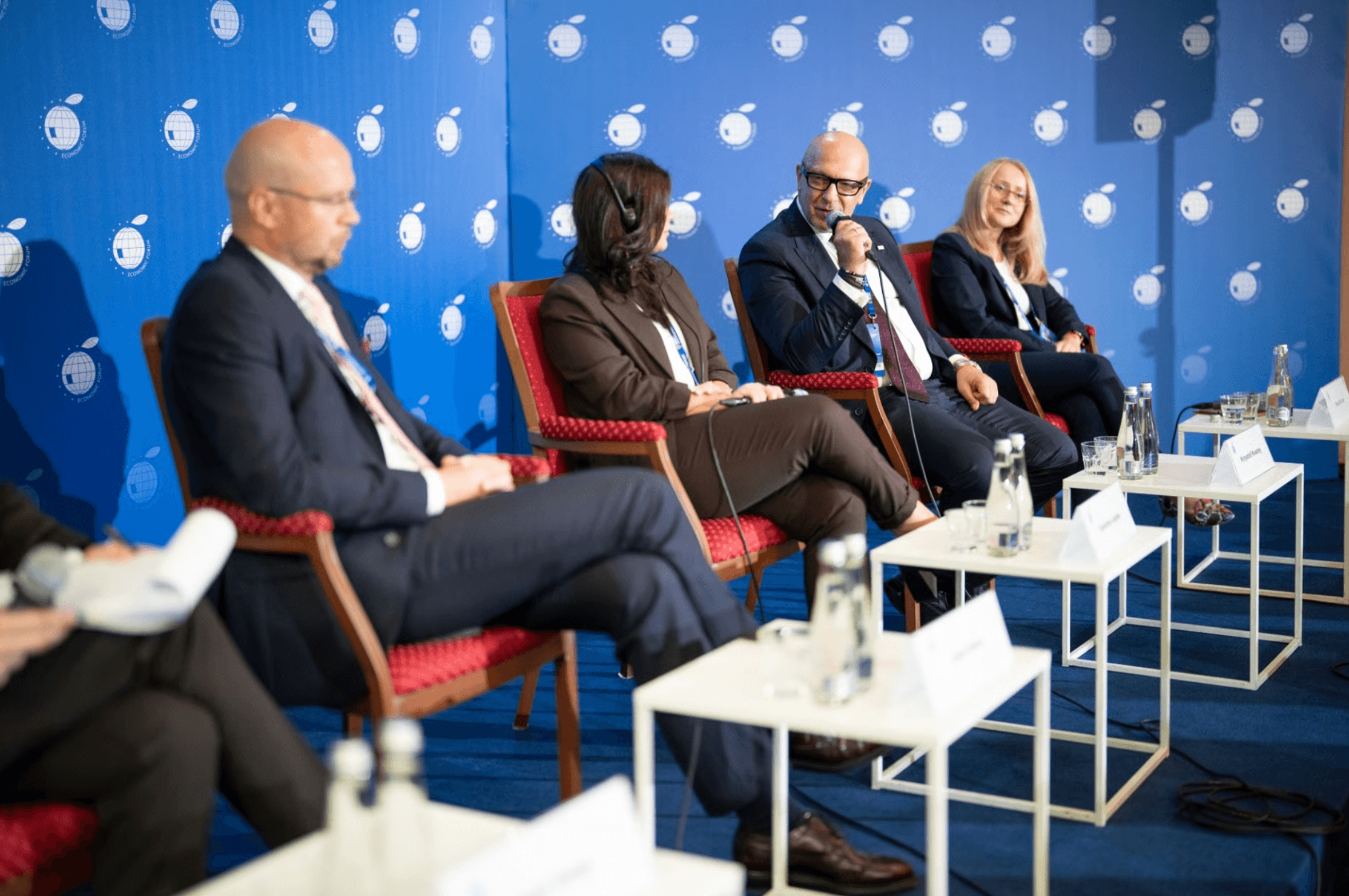
– Recent years have shown that Lower Silesia is no longer merely “Europe’s assembly plant” but has become a key center for high-tech, logistics, and advanced business services. Its proximity to the border, excellent infrastructure, and—most importantly—access to a highly educated workforce attract investors seeking resilience in the face of crises. In the last five years alone, the region has attracted as many as 75 new investment and reinvestment projects, which have resulted in the creation of 23,000 highly specialized jobs,” emphasized Magdalena Okulowska, president of the Wrocław Agglomeration Development Agency.
Wrocław Mayor’s Awards for Corporate Social Responsibility
On Wednesday, September 9, the awards from Wrocław Mayor Jacek Sutryk were presented during a gala ceremony. This recognition is given to companies that are particularly committed to initiatives benefiting the local community. The 2025 award recipients were Capgemini Polska, Piekarnia Hert, and Pyszne.pl.
A Rich Startup Agenda
Also on Wednesday, a series of WRO Venture Connect 2.0 panel discussions took place, focusing on the activities of the Wrocław Agglomeration Development Agency and Startup Wrocław. The events featured a strong representation from the world of new technologies and investments, comprising 50 entities from the startup ecosystem. Their presence was intended to demonstrate the potential of innovators to local governments, the business community, NGOs, and state-owned companies, and to ensure that startups are no longer treated as mere curiosities but become genuine partners in large corporate projects.
The Startup Wrocław team, together with its partners, prepared a full-day, intensive agenda for the occasion, featuring key figures from the Lower Silesian tech scene. Participants tackled topics such as Wrocław’s transformation from an outsourcing hub into a DeepTech hub, digital legislation, the dilemmas of financing global growth, as well as building effective support systems and bridges between corporations and innovators. A key highlight of the program was a pitching session featuring local startups and dynamic networking over coffee.
“Our goal in Karpacz was to show that startups and creative entrepreneurs are ready partners for doing serious, global business. We wanted to inspire business leaders to truly open up to innovation by proving that technology from Lower Silesia can drive the development of entire economic sectors.” said Paulina Muszyńska, director of Startup Wrocław.
Panels on Smart Cities and Competition in Attracting Talent
The Forum’s program on Wednesday (September 9) also included discussion panels from Wrocław. The first of these—“Cities That Attract: How Does Equal Treatment Translate into Talent, Investment, and Quality of Life?”—using Wrocław, Breda, and Berlin as examples, addressed the competition among cities for talent and the importance of safety, the quality of public services, integration, and openness for economic development.
Meanwhile, during the debate “Unique Smart City Implementations: Cities That Did It Differently” participants discussed solutions that go beyond conventional Smart City models. The discussion also covered pilot projects, collaboration between local governments, the business sector, and academia, as well as the testing of new technologies in real-world urban environments.