
 BIP
BIP
Lower Silesia Energy Summit: Debates on How to Meet the Growing Demand for Energy

Several hundred representatives of companies, local governments, ministries, and institutions related to the energy sector gathered on September 24 in Wrocław for the Energy Summit – Lower Silesia Energy Summit. Discussions focused on developing joint solutions to ensure stable, secure, and competitive access to energy. The issue of accelerating the energy transition as a key factor in attracting global investment to Lower Silesia was also raised.
A declaration in support of the “Lower Silesian Pact for Energy, Industry, and Global Investments” was also signed at the summit. This initiative brings together the energy sector, industry, government, local authorities, and academia to address energy security and the economic development of Lower Silesia.
This document was signed electronically using modern technology by a group of several dozen people representing a broad spectrum of stakeholders, including state and local government authorities and institutions, energy companies, and universities. Among them were: Michał Jaros—Deputy Minister of Development and Technology; Anna Żabska—Lower Silesian Province Governor; Wojciech Bochnak—Deputy Marshal of Lower Silesia; Magdalena Okulowska—President of the Wrocław Agglomeration Development Agency; Jakub Sobieszek—President of Dozamel; and Prof. Arkadiusz Wójs, Ph.D., Eng.—Rector of the Wrocław University of Technology.
The energy transition cannot be achieved without the people who work in the energy sector every day—both those who generate it and those who supply it. We have just signed the Lower Silesian Pact for Energy, Industry, and Global Investments. This pact is important not only for the energy sector. Each of us uses electricity and heat, but in addition, a great deal of energy is needed for industry, and energy is also needed for global investments. These global investments, which have long since reached us from Asia—I’m thinking, for example, of that major LG investment—but also the investments that lie ahead, namely the major Taiwanese investment—a technology park to be built in the municipality of Miękinia.
Michał Jaros, Deputy Minister of Development and Technology, after signing the declaration.
We need more affordable and clean energy
The deputy minister emphasized that access to energy will determine economic development, as well as competition in the global technological race. And because the demand for power is constantly growing, we must seek methods of energy generation that are more affordable and environmentally friendly.
"That is why we are meeting today—right here in Lower Silesia—to discuss how the energy sector should change, how it should power the economy, and what we can do together. We do not want to see various types of blackouts or power outages occur at some point; this is what happens in various parts of the world" added Deputy Minister Jaros.
The steady increase in energy consumption stems from technological and production processes. In the future, it will likely increase even further, as the technologies that are expected to take root in our region over time will also require power.
“These are data centers that will support automated industrial production, as well as centers based on artificial intelligence—they will shape the future because they will power autonomous cars, trams, buses, trains, and robots that will operate in our homes.” “This isn’t a matter of some distant future; in 5 or maybe 10 years, we’ll have to face this,” predicts Deputy Minister Jaros.
Debates on Energy Issues
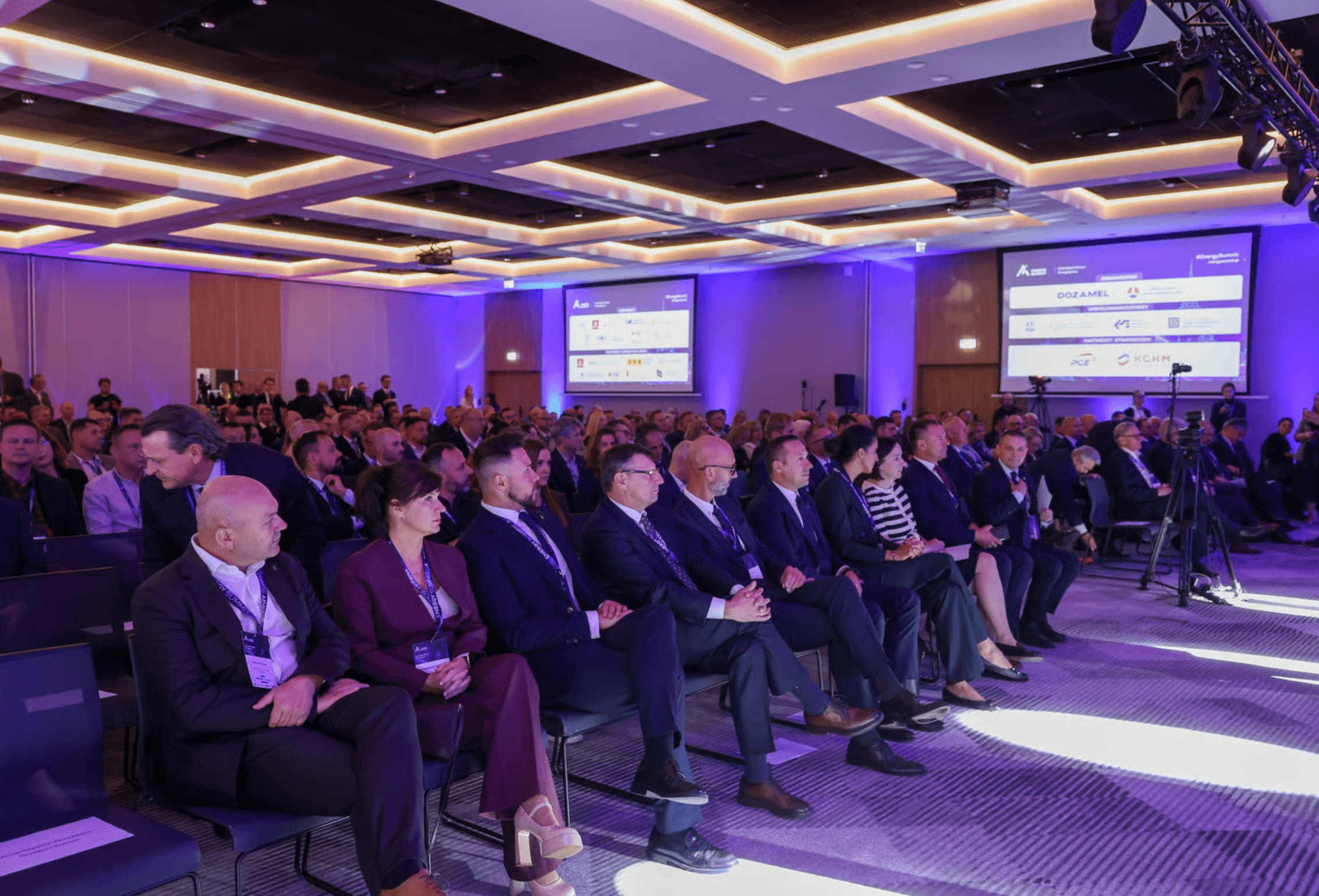
The main program of the Energy Summit consisted of panel discussions in which local government officials, experts, and representatives from the business and energy sectors discussed topics related to various aspects of the energy sector.
One of the panels was devoted to the financing and development of energy infrastructure from the perspective of local government and industry. During the session, the question was raised as to whether, in a situation where we are facing power capacity shortages, local government institutions should limit the acquisition of new investments that are energy-intensive and, at the same time, due to foreign capital, may transfer most of their profits abroad.
We should not restrict them, but the prioritization of projects has been underway for some time now, and we evaluate each one in terms of added value—the economic value that foreign investments both generate and bring to our local market.
Magdalena Okulowska, president of the Wrocław Agglomeration Development Agency.
"Indeed, today, energy—alongside our talent and expertise—is a highly strategic resource, and if there is a shortage of it, one might wonder how to weigh that factor. There are analytical tools available to measure this—such as economic value per megawatt, for example. However, this is only one of the criteria we use" noted Magdalena Okulowska.
When evaluating investments, a number of factors must be taken into account, not just a given project’s impact on energy consumption. The entire context of the investment—including, for example, regional geography—is essential in this process.
“An investment that isn’t justified, for example, in the center of Wrocław or within the metropolitan area may still be valuable and worth pursuing in another location—even if it is energy-intensive—due to the social, economic, and developmental role it will play there,” concluded the president of ARAW.
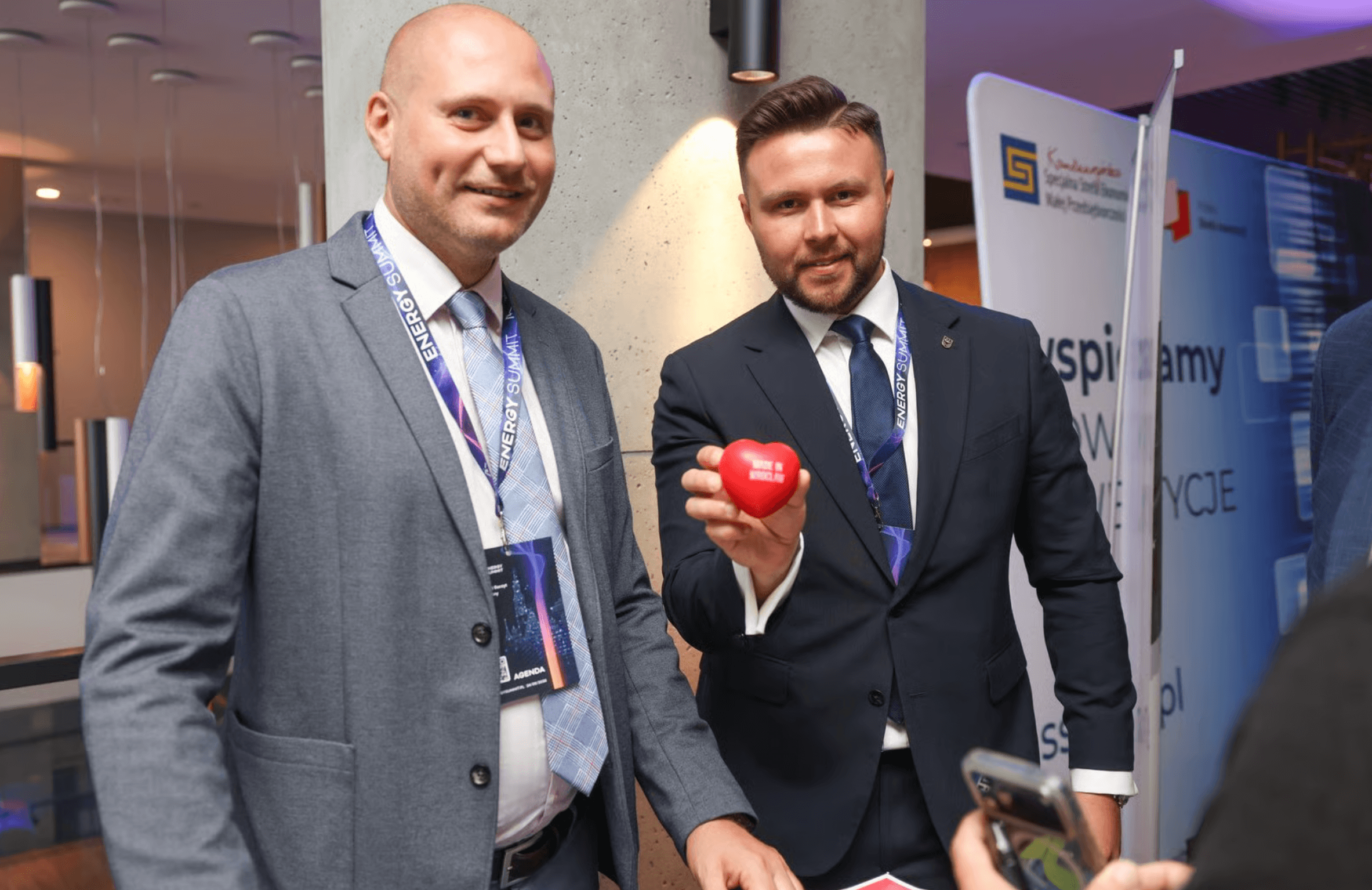
An accompanying event to the summit was the Lower Silesia EnergyTech EXPO, which showcased innovative technologies and solutions for the industry.