
 BIP
BIP
Satellites, AI, and a major breakthrough for Wroclaw: Viadrus AI team won

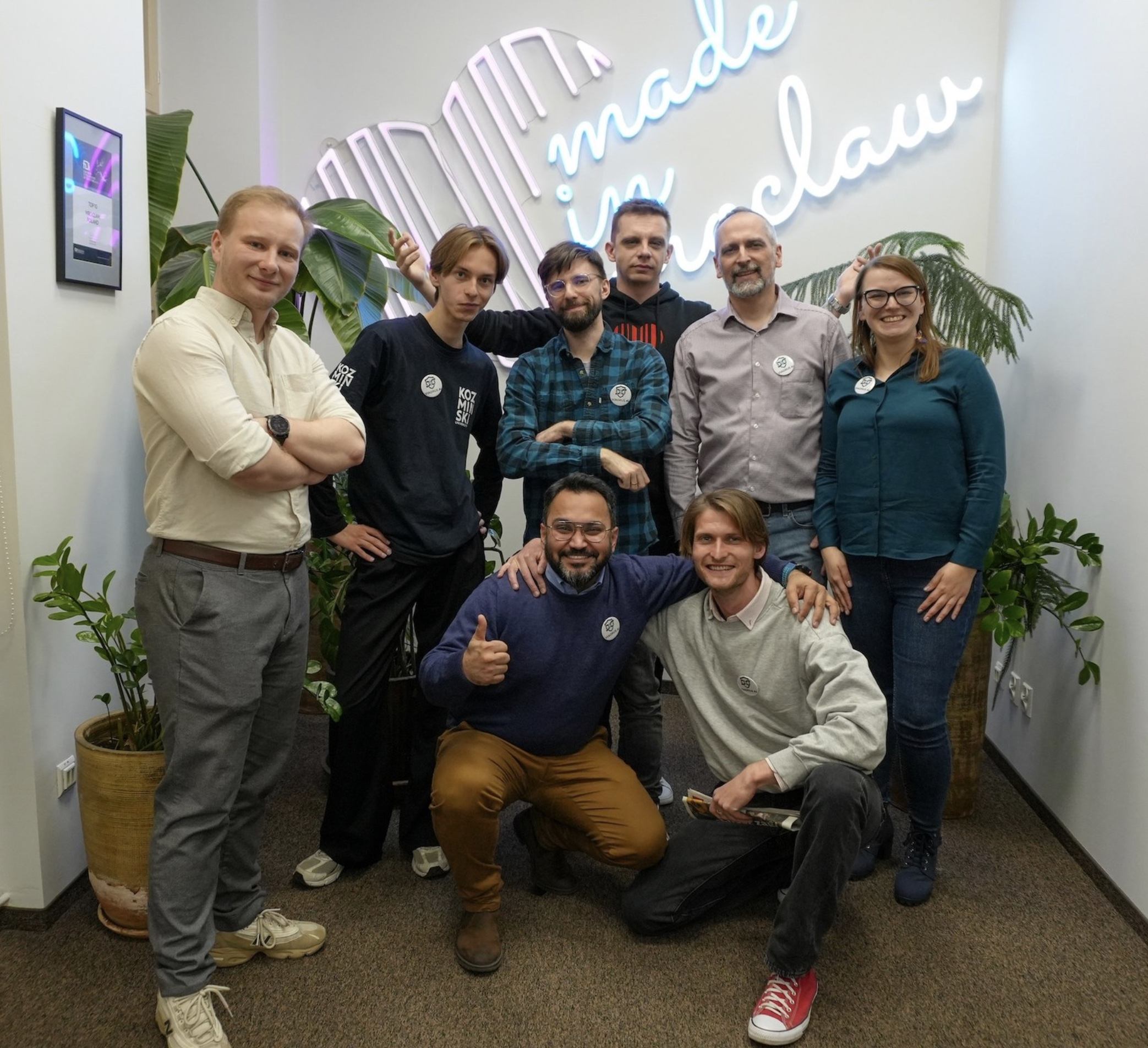
This is a historic success for Wrocław and Polish technological innovation. The Viadrus AI team won the European final of the CASSINI Hackathon: Space for Water—an event organized under the auspices of the European Union Space Agency (EUSPA). Their proprietary tool uses satellite data to detect leaks in pipes before water even reaches the surface.
Wrocław is emerging as the capital of space innovation. During the European final of the CASSINI Hackathon, the Polish Viadrus AI team demonstrated that data from the Copernicus program—Europe’s eyes in orbit—can be used not only to study distant galaxies, but above all to solve down-to-earth, urban problems, such as water loss in pipelines.
The smart system “sees” leaks from space
The Viadrus AI team’s project is an early warning system for water supply network failures. It uses artificial intelligence to analyze remote sensing data from the Copernicus Data Space Ecosystem (CDSE). By fusing satellite data with ground-based sensors, the tool can identify anomalies in the soil indicating pipe leaks weeks or even months before a major failure occurs.
“Our goal is to shift the operational model of technical services from reactive to proactive. We want water utilities to know about a leak before it floods the street or causes a service interruption. This translates to real financial savings and, above all, the protection of water resources,” explain the creators of Viadrus AI.
Collaboration with MPWiK Wrocław: The Key to Success
What set Viadrus AI apart from competitors across Europe was its close collaboration with practitioners. The solution was consulted with experts from Wrocław’s MPWiK, which allowed for the creation of a tool perfectly tailored to the needs of municipal utilities. The system creates a so-called prioritization layer, identifying locations that require immediate inspection.
Huge congratulations to the team representing Poland! We are proud that the best solution in Europe was created right here in Wrocław. This is a success for a wonderful team, supported by the exceptional energy of the entire hackathon—created jointly by our team and outstanding partners, mentors, and the jury. This is what collaboration looks like in practice. Synergy in Lower Silesia works!
Magdalena Okulowska, President of the Wrocław Agglomeration Development Agency
Second place in the fierce competition went to a project from Spain, and third place was awarded to a team from Austria.
They reached the pinnacle of innovation
The winning Viadrus AI team consists of:
- Adrian Kulik, 32, Wrocław, a graduate of Environmental Engineering at the University of Life Sciences in Wrocław; within the team, he is responsible for hydrological consulting and software development.
- Maksymilian Krawczak, 19, Warsaw, a first-year Management student at Kozminski University in Warsaw; within the team, he is responsible for business analysis, marketing, and customer success.
- Katarzyna Kapusta, 33, Poznań, a graduate of Pharmacy at the Medical University of Poznań and the postgraduate program “Python Developer” at WSB Merito in Poznań; within the team, she is responsible for research and backend development.
- Marcin Derewońko, 37 years old, Wrocław, a graduate of Marine Geography at the University of Szczecin, Geoinformatics at Adam Mickiewicz University in Poznań, and Artificial Intelligence in Finance and Corporate Controlling at Kozminski University in Warsaw; within the team, he is responsible for geoinformatics and the processing and analysis of source data.
- Michał Krupka, 48, Wrocław, a graduate of Finance and Accounting at the Poznań University of Economics and Architecture at the University of Zielona Góra, serves as the team’s product owner and full-stack developer.
- Leszek Michalak, 32, Wrocław, a graduate of Administration at the University of Wrocław, serves as the team’s data engineer.
- Bartosz Tyński, 29, Wrocław, a graduate of Computer Science at the AGH University of Science and Technology in Kraków, is responsible for machine learning and data engineering within the team.
European teams presented excellent ideas for the application of satellite data, so we absolutely did not feel like favorites. Now, after winning at the European level, we intend to refine our solution in close cooperation with Wrocław’s MPWiK.
Michał Krupka from the Viadrus AI team
According to Michał Krupka, after winning on Sunday in Wrocław, the team members didn’t have much time to celebrate, as intensive preparations for the grand finale scheduled for Wednesday began as early as Monday.
An interesting fact is that, according to legend, Viadrus is the god of the Oder River, who was madly in love with Princess Katarzyna. Meanwhile, there is only one girl on the Viadrus AI team—Katarzyna herself.
A ticket to further development
Winning the CASSINI Hackathon final is a ticket to further development for Viadrus AI. The team plans to implement its prototype on a larger scale, which could make Wrocław a model city in the field of smart water network management.
According to Aleksandra Kadłubowska, Project Management Director at ChallengeRocket, Viadrus AI’s victory in the European final of the CASSINI Hackathon is a very strong signal that projects created in Wrocław can compete at the highest international level.
Hackathons such as CASSINI are part of ChallengeRocket’s mission: to discover the best talent, teams, and ideas where their potential is truly evident—in action. In this case, we were dealing with exceptional individuals who met during the hackathon, combined their diverse skills, experiences, and perspectives, and created a project with tremendous potential.
Aleksandra Kadłubowska
According to Aleksandra Kadłubowska, Viadrus AI now has real opportunities for further collaboration with MPWiK and the city of Wrocław, and in the next steps, also for scaling the solution in Poland and Europe.
We are proud to have been part of an event that led to the creation of such a valuable solution. This is definitely not the last time we’ll hear about Viadrus AI!
Aleksandra Kadłubowska
European space initiative brings together innovators, science, and business
CASSINI Hackathons is a prestigious event organized on the initiative of the European Commission under the auspices of the European Union Space Agency (EUSPA) and the European Space Agency (ESA). This year marked its 11th edition—held for the first time in Wrocław. The Polish edition was organized by a consortium led by the Wrocław Agglomeration Development Agency (ARAW) with the Startup Wrocław project at the helm, along with the Wrocław-based company ChallengeRocket.
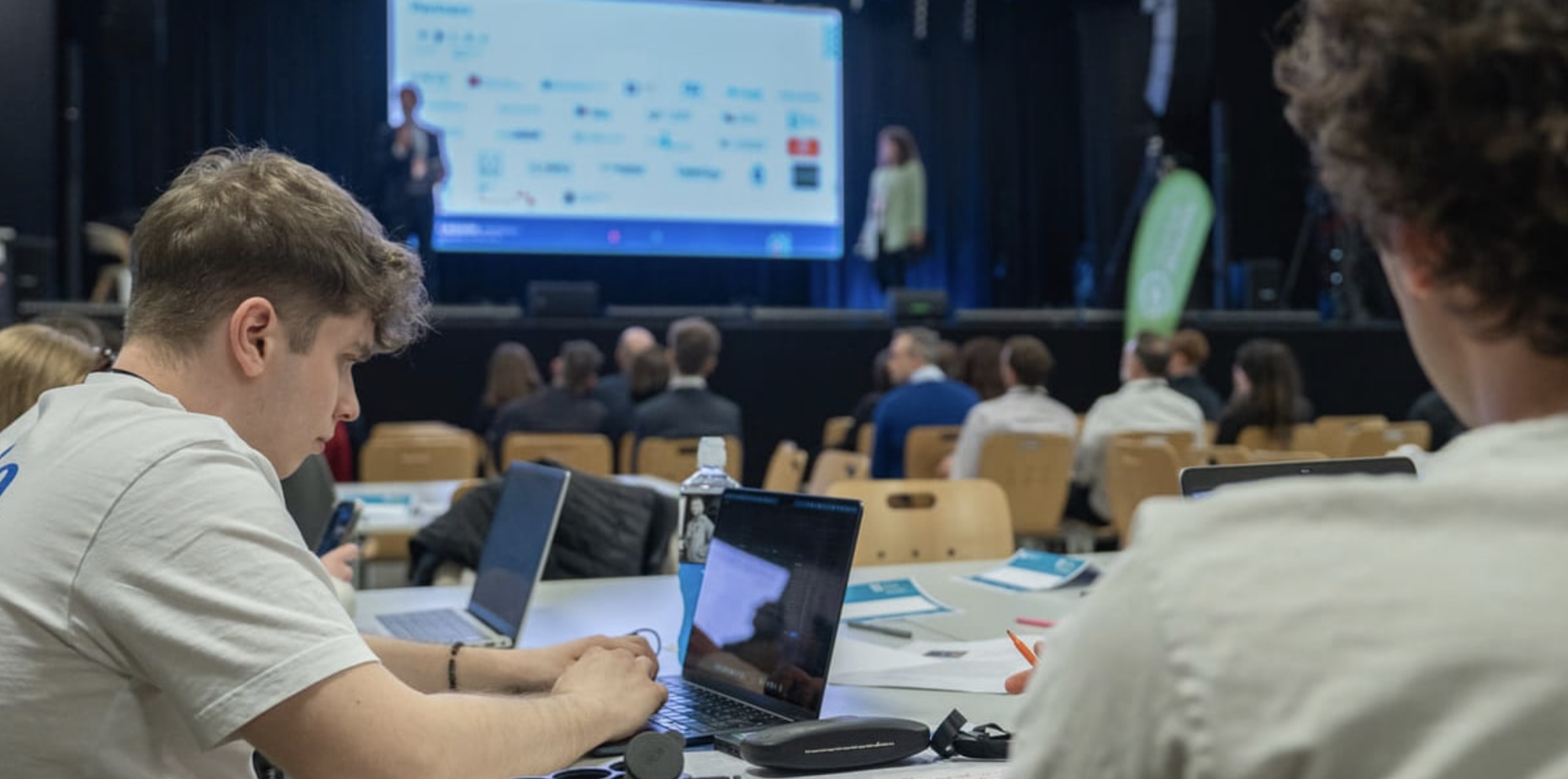
The event was supported by content and technology partners, including: the Municipal Water and Sewerage Company (MPWiK) together with Hydropolis and the #PijKranówkę project, Exence S.A., Smart City Wrocław, the Department of Strategy and Sustainable Development of the City of Wrocław, Scanway, TerraEye, Gekko Photonics, Quantum Connect, Pyszne.pl, Wrocław University of Technology together with the Academic Business Incubator (AIP), Wrocław University of Environmental and Life Sciences, Wrocław University of Economics together with inQUBE, the University Business Incubator, and the CRAFT (Collaboratory for Responsible and Future Technologies) laboratory operating at the Faculty of Management of Wrocław University of Technology, the Statistical Office in Wrocław, tryVinci, John the Drone, Kiszone Specjały, the PWr in Space research club, CUDO Kombucha, MIRORES, DelicDay, Waterly, Pizza New York Wrocław, Wroclaw.pl, TV Styk, and Radio LUZ.