
 BIP
BIP
They discussed cooperation between the city and the business: Wroclaw 2050 strategy

How is Wrocław supposed to develop by 2050, and what role will business play in this? City representatives and entrepreneurs discussed these issues during a meeting organized by the Europa Forum Association. The meeting demonstrated that the key to implementing the strategy lies in cooperation, partnership, and the joint development of solutions that address the needs of both residents and the economy.
On Thursday, April 23, representatives of the City Strategy Office met with Wrocław entrepreneurs as part of a meeting organized by the Europa Forum Association to discuss the Wrocław 2050 Strategy, and in particular how the city can collaborate with the business community in this regard.
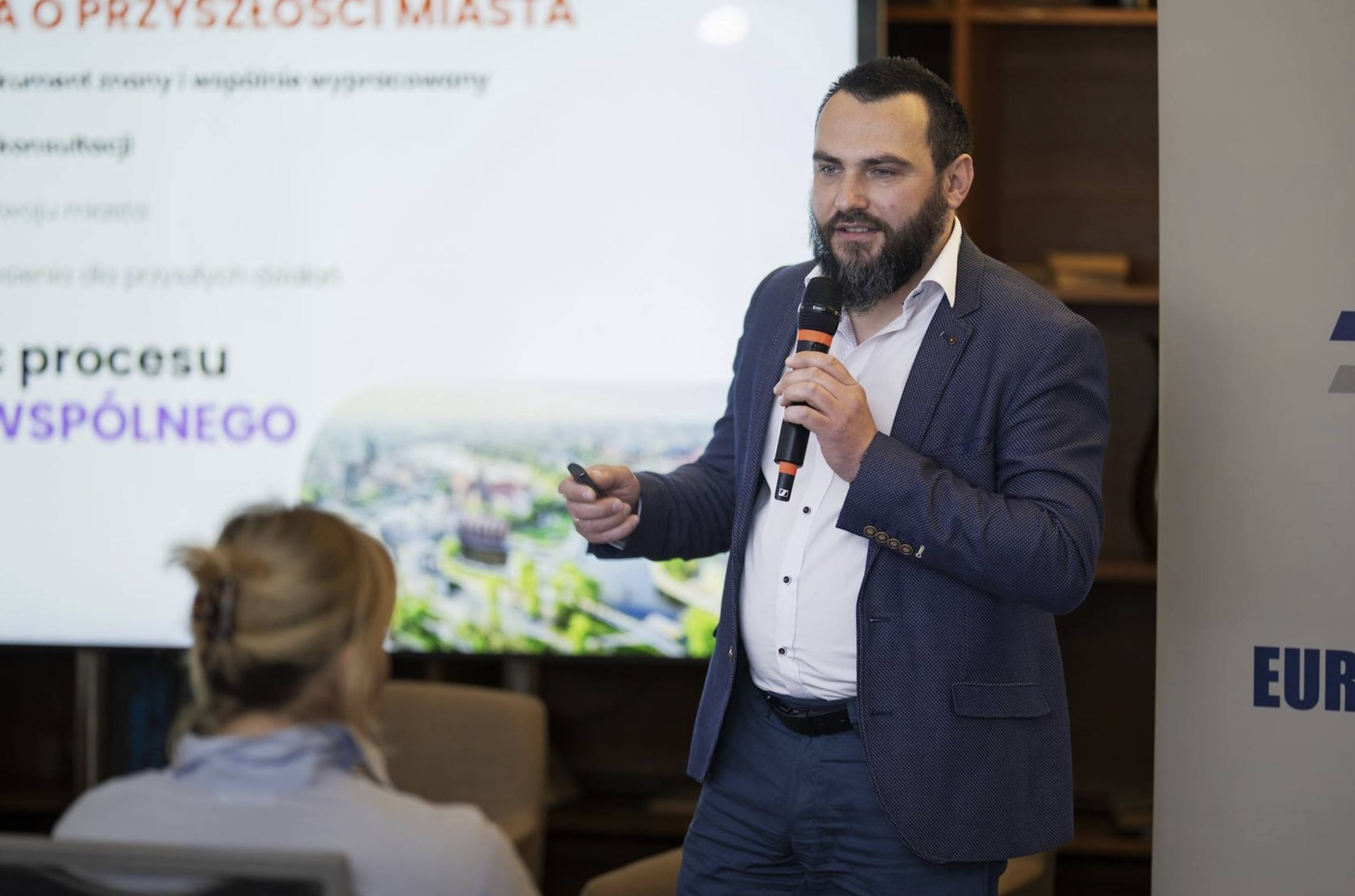
Necessary cooperation and exchange of views
Michał Wiącek from the Wrocław Strategy Office presented the main objectives of the strategy.
Wrocław has no future if we do not begin to cooperate, exchange views, and engage in constructive debate. Thanks to this, our city can become a better place—a hub for residents, business, academia, and the entire surrounding region—because Wrocław is not an island.
Michał Wiącek
According to Michał Wiącek, the Wrocław 2050 Strategy is a relatively new document, as it was adopted by a resolution of the City Council in October 2025.
It took several years of work, in-depth analyses and assessments, as well as consultations with the business community and calibration workshops, to produce a document that may not satisfy everyone but presents a clear vision and goals—and makes it clear that this is not the end, because we are really just at the beginning of a shared endeavor.
Michał Wiącek
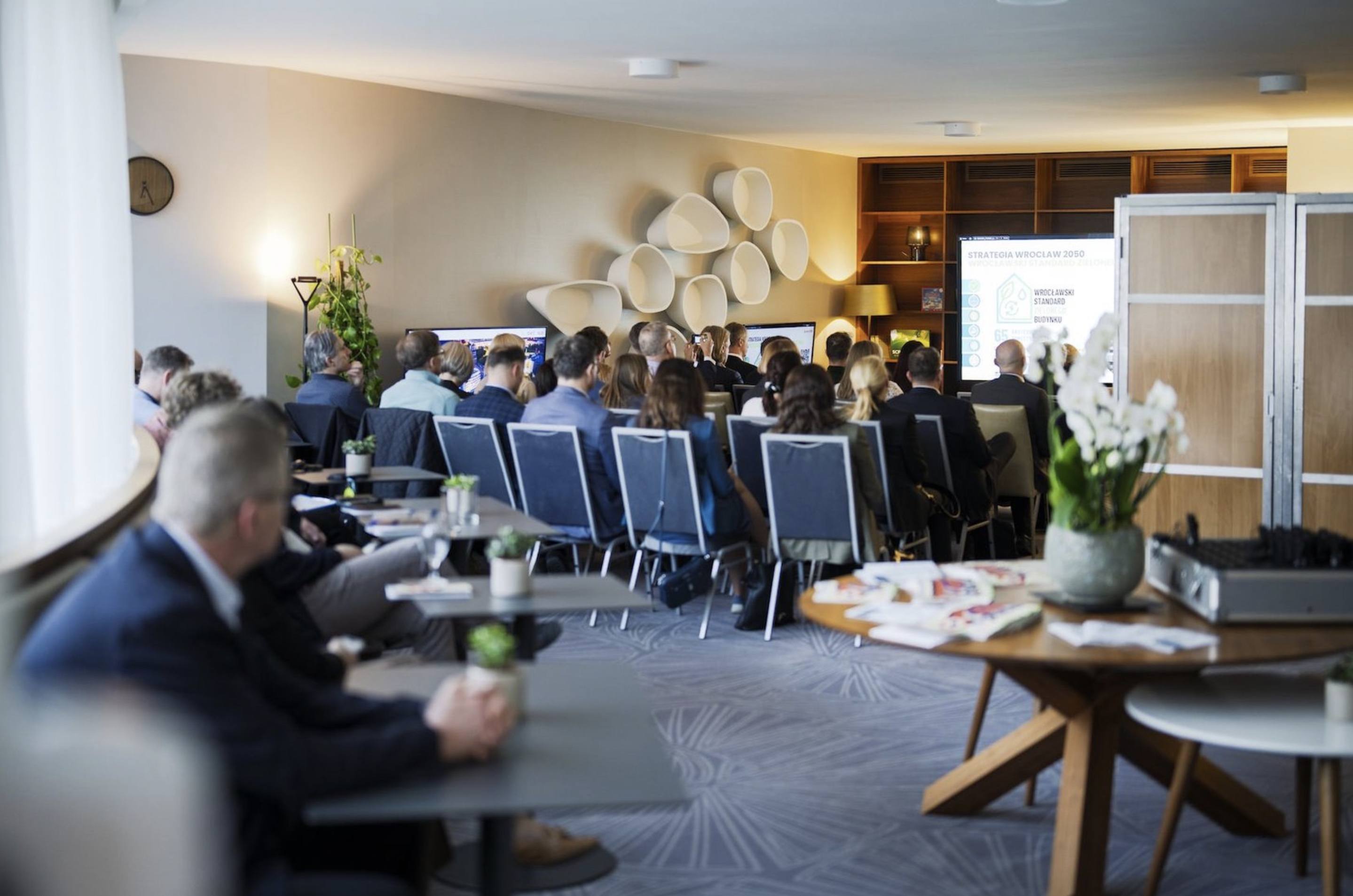
During the meeting, Philipp Heiduk, an urban planner from Berlin, also spoke about his city’s strategy, which was developed in 2021 and is already the third such document defining its future. He also discussed what the implementation process looked like in his city.
Entrepreneurs view the strategy from two perspectives
Iwona Makowiecka, coordinator of the AHK Poland Liaison Office, said that the Wrocław 2050 strategy charts a course—it shows where we want to go as a city, while leaving, at least at this stage, considerable room for action.
This document states explicitly that its value will be determined by what happens next—that is, by the specific projects, implementation documents, and partnerships that will carry it out. Each of us, when looking at this strategy, views it as if in two roles. On the one hand, as a resident of Wrocław—and this is a very emotional aspect—and on the other, very pragmatically, as a business representative. That is why we want to look at this document today from these perspectives.
Iwona Makowiecka
Business helps shape the city
According to Marzena Horak, director of the City Strategy Office at the Wrocław City Hall, business communities were represented in the strategy’s development; they argued that they needed metropolitan status, large-scale facilities, and specific investments.
We tried to reconcile this with the social sector, which, in turn, valued local identity. We must now strive toward this through our actions.
Marzena Horak
According to the director of the City Strategy Office, the new document contains numerous themes that specifically concern entrepreneurs.
We would like business representatives to see and realize even more clearly that they are co-creating this city, that they are also building it, and that through their actions they not only fit into it but can shape it even better.
Marzena Horak
It is important that businesses want to locate in Wrocław
Katarzyna Turkiewicz, CEO of HP, pointed out that the Wrocław 2050 strategy also takes into account threats that may affect the city in 25 years.
These could include issues with water, food, or energy supply. These must be factored in, which is why the city is giving this a great deal of thought to ensure residents’ safety in these areas. Added to this are higher-level needs—such as science, culture, and standard of living—that are worth paying attention to. The climate and environmental perspective is extremely important, as it already has a significant impact on the city. In turn, the development of science is crucial for attracting businesses to locate here.
Katarzyna Turkiewicz
According to Katarzyna Turkiewicz, for highly specialized businesses to choose Wrocław as a location, the issues of human resources and business-science partnerships are essential.
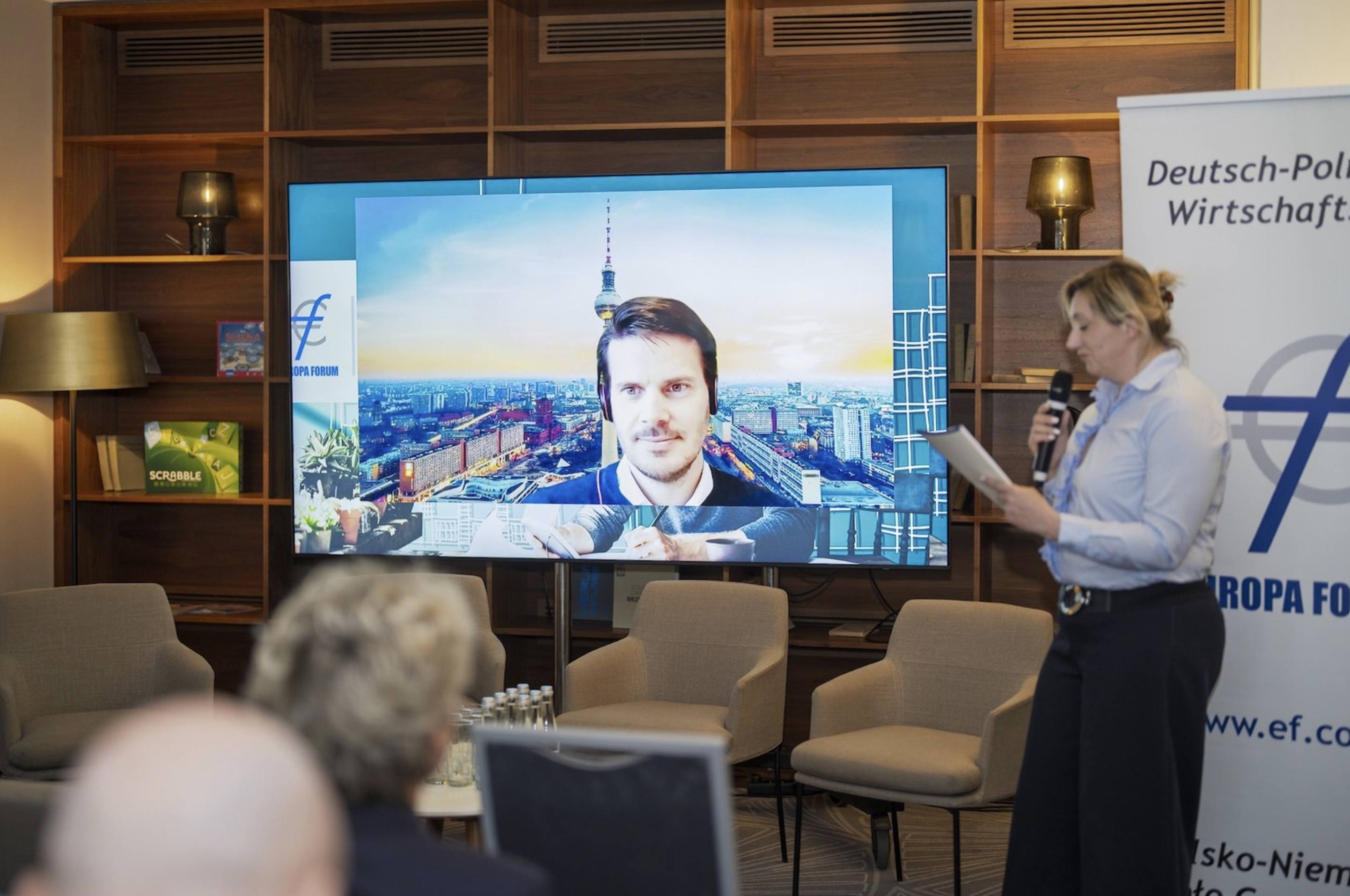
Without an airport, it is difficult for the city and region to develop
Karol Przywara, president of Wrocław Airport, spoke about how aviation infrastructure fits into the goals of the Wrocław 2050 strategy and in building the international standing of the capital of Lower Silesia.
We are a facility that supports the region’s economic development and the city’s operations. For some time now, we have also been participating in meetings with investors who want to locate their businesses in Wrocław or the region. I believe that within the strategy, we also represent a key focal point around which the city will develop. We have plans regarding the expanding infrastructure around the airport. That is why we strive to actively participate in its creation and want to influence it.
Karol Przywara