
 BIP
BIP
Wroclaw Metropolitan Area – draft legislation to be ready in autumn

On Tuesday, April 7, representatives of local governments met in the conference hall of Wrocław Airport to discuss the creation of an organization that would unite them into one efficiently functioning body. The Wrocław Metropolitan Area – abbreviated as WrOM – could become a new quality in cooperation between municipalities and counties located around Wrocław.
Local authorities are pursuing a two-track approach. One option is a special law that would establish WrOM, currently being drafted by Professor Jerzy Korczak. The other is to create an agglomeration based on the Act on Sustainable Urban Development, which allows for the formation of development unions.
The first option is more attractive, as it assumes a “tailor-made” law. So far, the only such entity in Poland is the Upper Silesian–Zagłębie Metropolis (GZM).
The agglomeration is expected to benefit everyone
Today, local governments already cooperate with each other, but this is a different level of collaboration compared to operating within a statutory union. The most important difference is that a statutory metropolis could receive financial support from the state budget. In the case of the Wrocław metropolitan area, estimates indicate around PLN 584 million annually.
“We will jointly advocate for good solutions for the residents of our region, our metropolis. The most important principle: this is not something we have to do. It is something we want to do, which is why we invite everyone who sees benefits in it. When legal solutions emerge, we must be ready to reach for these funds.”
— Jakub Mazur, Deputy Mayor of Wrocław
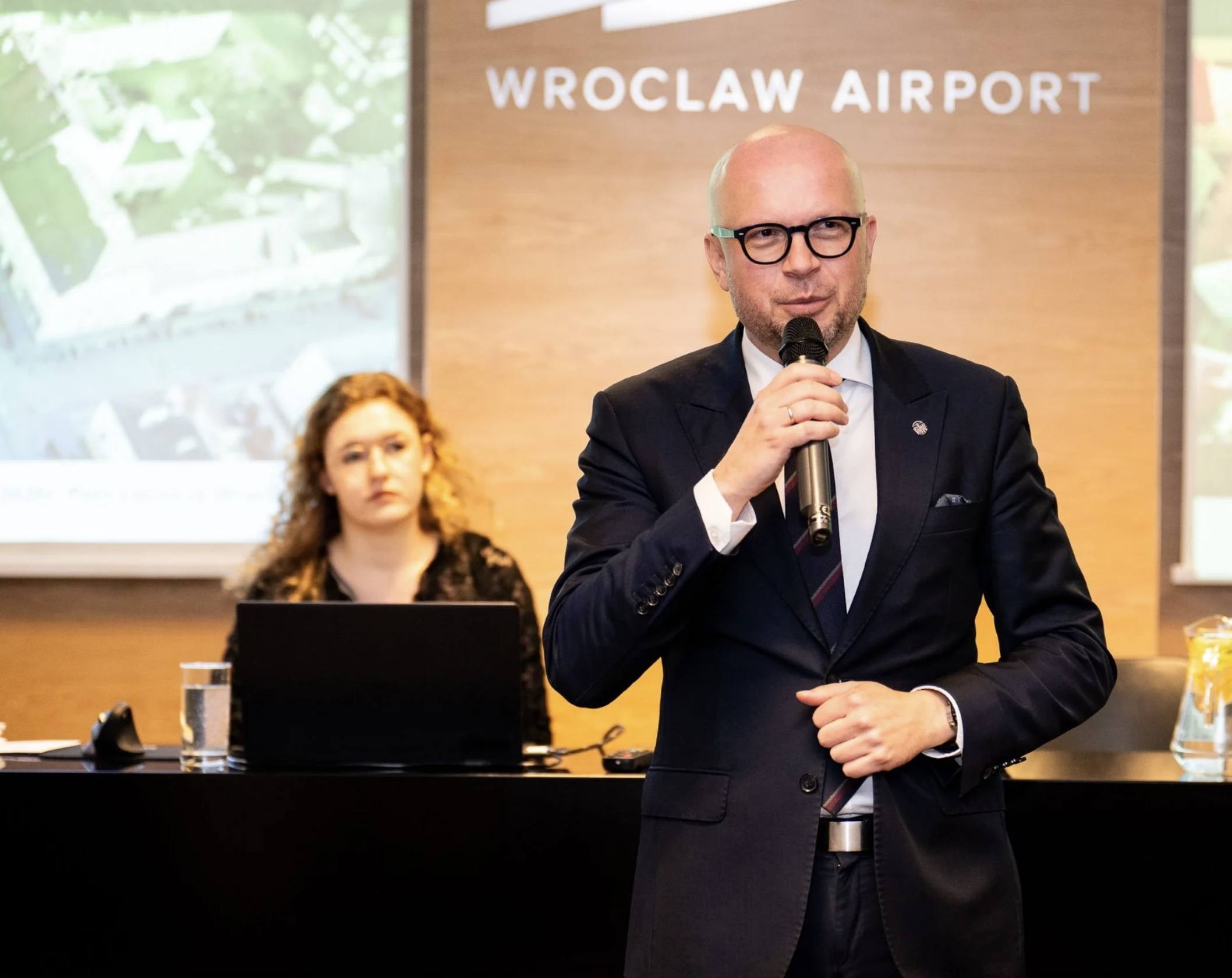
There is no doubt about the region’s strong development potential, emphasized the host of the meeting, Karol Przywara, President of Wrocław Airport.
“We are doubling the operational capacity of our airport. We are starting the expansion of the terminal. The goal is to handle 10–12 million passengers annually. This shows the scale of our region’s potential,” stressed Karol Przywara.
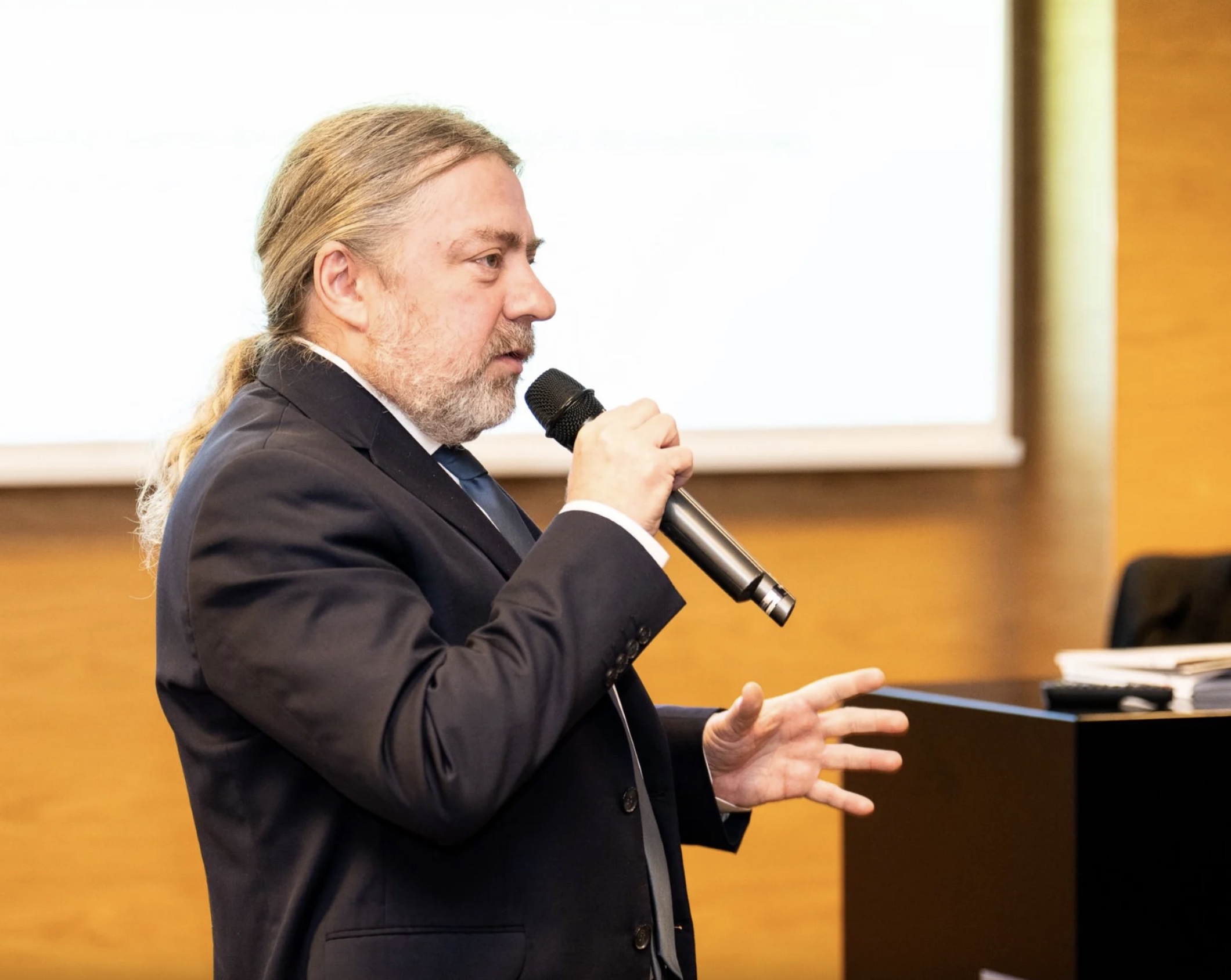
“We are discussing the draft law on the Wrocław Metropolitan Area, but work is also underway in the government on the Act on Sustainable Urban Development. If that law comes into force, we will be able to create a metropolitan union,” said Łukasz Medeksza, Deputy Director of the Department of Strategy and Sustainable Development at the Marshal’s Office.
Millions for the joint metropolitan budget
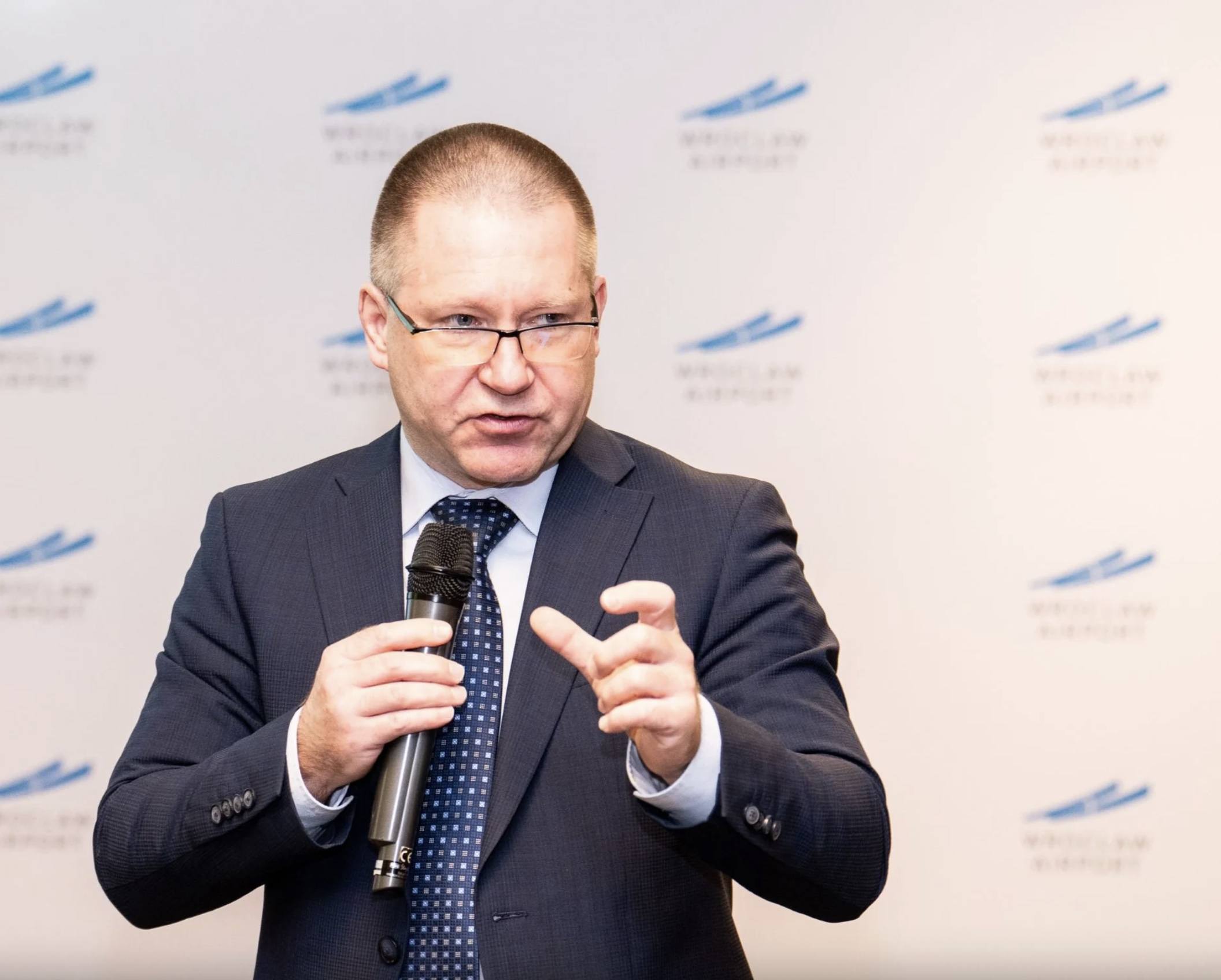
Marcin Urban, Treasurer of Wrocław, presented the financial differences between a “dedicated” law and creating a union based on more universal regulations.
“We are fighting for PLN 584 million for our municipalities and counties, which could come from the state budget. However, in the case of a development union, it will be more difficult to build the organization’s budget,” said Marcin Urban.
The difference lies in the method of financing and the level of contributions. In the case of WrOM, contributions would be calculated as a percentage of personal income tax (PIT) revenues allocated to local governments:
- municipalities: 0.24%
- counties: 0.069%
- cities with county rights (including Wrocław): 0.19%
Around 65% of the WrOM budget would be funded by Wrocław, over 34% by municipalities, and nearly 10% by counties. Wrocław’s nominal contribution is estimated at PLN 164 million.
How much can be spent on transport?
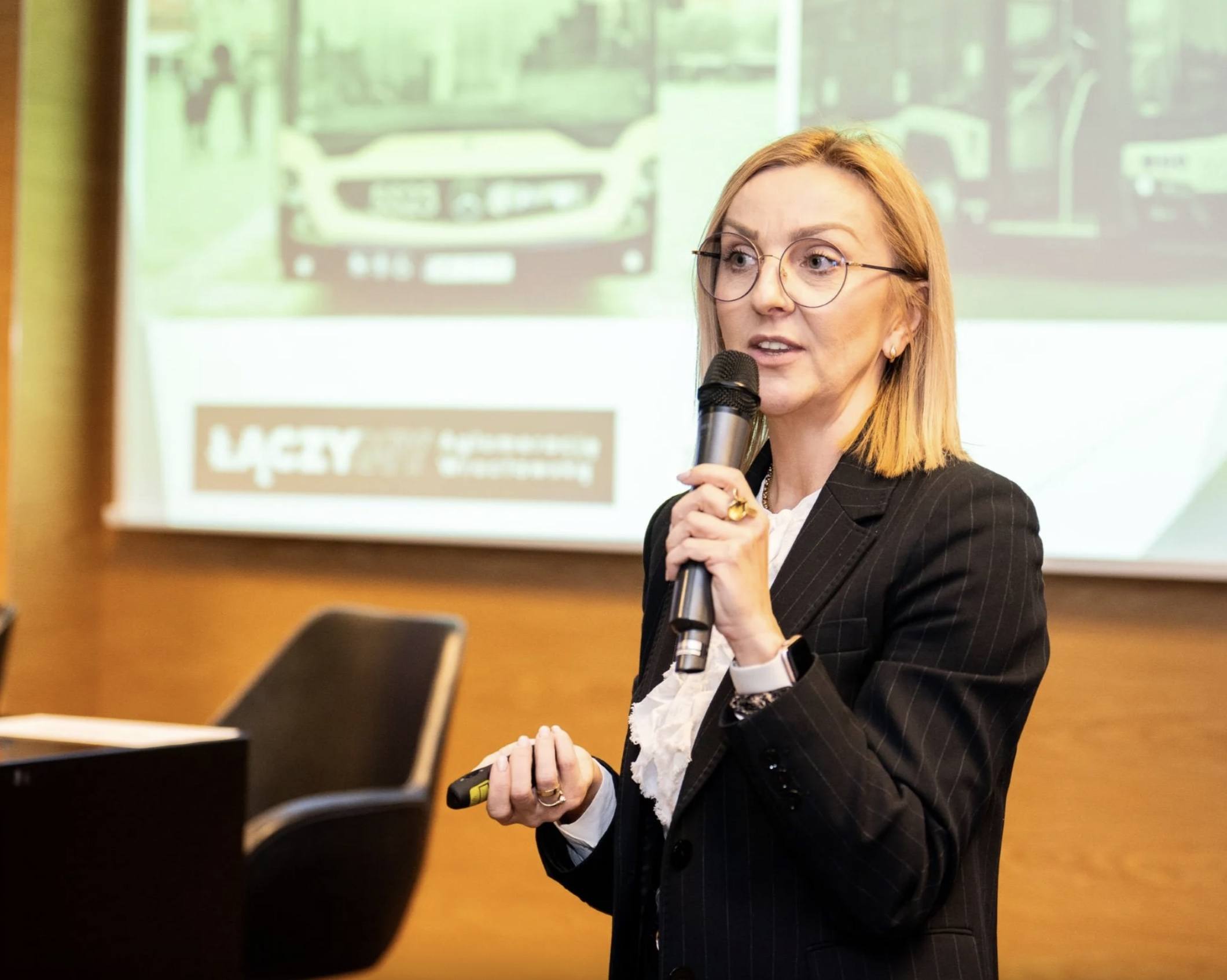
Paulina Tyniec-Piszcz, Deputy Director of the Department of Infrastructure and Transport, half-jokingly but also seriously noted that the aforementioned PLN 584 million could easily be spent on metropolitan transport.
She highlighted the progress made in this area over more than two decades. In 2018, suburban buses covered 2.4 million km; this year they are expected to reach 8.5 million km. All 30 lines are now integrated into the Urbancard system. However, the needs and ambitions are much greater.
“We all dream of a metropolitan railway. Its beginnings are already there—we are cooperating by co-financing additional rail connections. We are contributing to 50 pairs of services. Rail could become a key project within the metropolitan area,” she said.
Tyniec-Piszcz also pointed out the need for transfer hubs with Park & Ride (P+R) facilities in municipalities.
New provisions in the draft law
Local government representatives met in a similar group in December at Tarczyński Arena. The proposals raised at that time were incorporated by Professor Jerzy Korczak into the draft law on WrOM, and he presented the updated version at the meeting.
“What has been included in the draft reflects our December discussions. The most important changes concern the size of the union and the possibility of withdrawal,” said Professor Korczak, author of the draft.
Previously, WrOM was expected to consist of 43 municipalities and eight counties. However, the municipality of Wińsko withdrew, leaving 42 municipalities and eight counties currently interested.
This changes the area of the metropolitan region to 6,480 square kilometers, with a population of 1.3 million.
Local governments had previously called for clear rules on leaving WrOM. Such provisions have now been added, although Professor Korczak admits that exiting the structure will not be easy.
In general terms, only outer municipalities will be allowed to leave. A municipality entirely surrounded by others that wish to remain cannot withdraw. Gaps within the metropolitan area would make it difficult to implement many projects—especially transport ones—hence the principle of territorial continuity.
Many months of work still ahead
The draft also includes provisions for dissolving the Wrocław Metropolitan Area. Any changes in WrOM’s composition will be made by the Council of Ministers.
It is important to remember that metropolitan structures will be formed voluntarily by local governments, as participation should be beneficial for all—not only financially. The range of benefits could be much broader.
There is no question of an oppressive structure. The participating local governments will govern it. WrOM will have its own executive board, but spending decisions will be made by the assembly, requiring consensus for joint projects.
“We would like to complete work on the draft law by autumn,” concluded Tomasz Wiśliński, President of the Wrocław Agglomeration Association.